

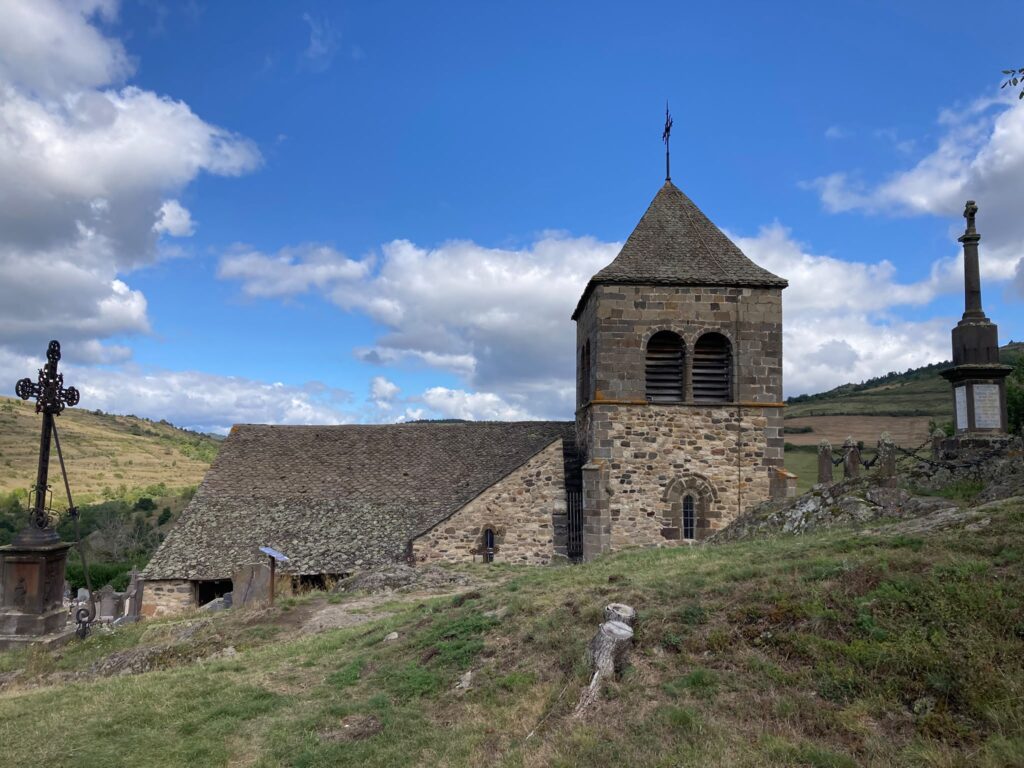
Sometimes it does one good to wander among the tombs. Autumn is preferable for such meditative ambles. One needs the wind, the fog, a spray-like rain, and — above all — a farrago of red, orange, and yellow leaves to set the imagination loose. Then the mind, temporarily unshackled from worldly cares and any sense of time, can raise itself to what in early modern Italy was called la tregenda and mingle with the spirits of the dead.
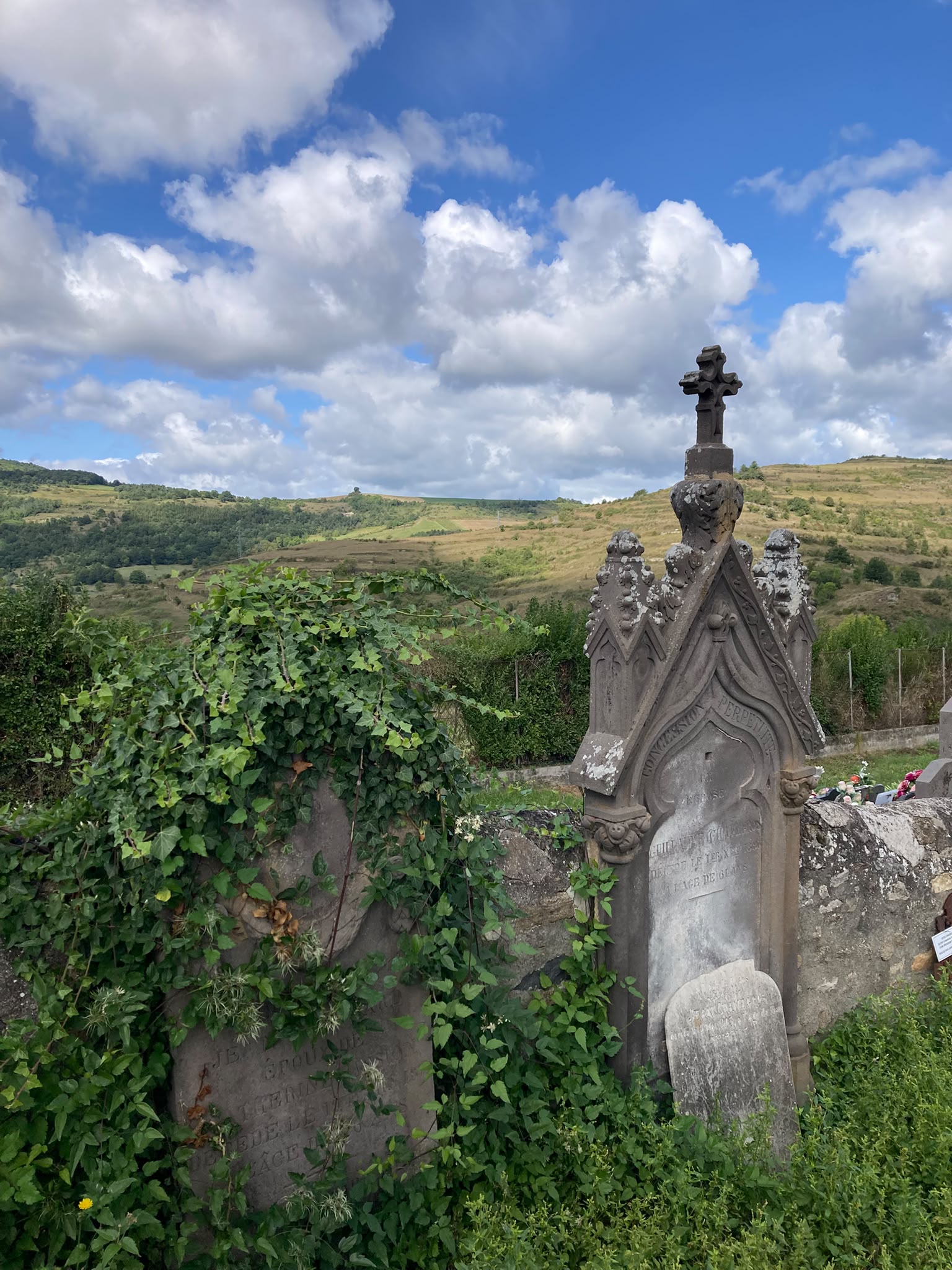
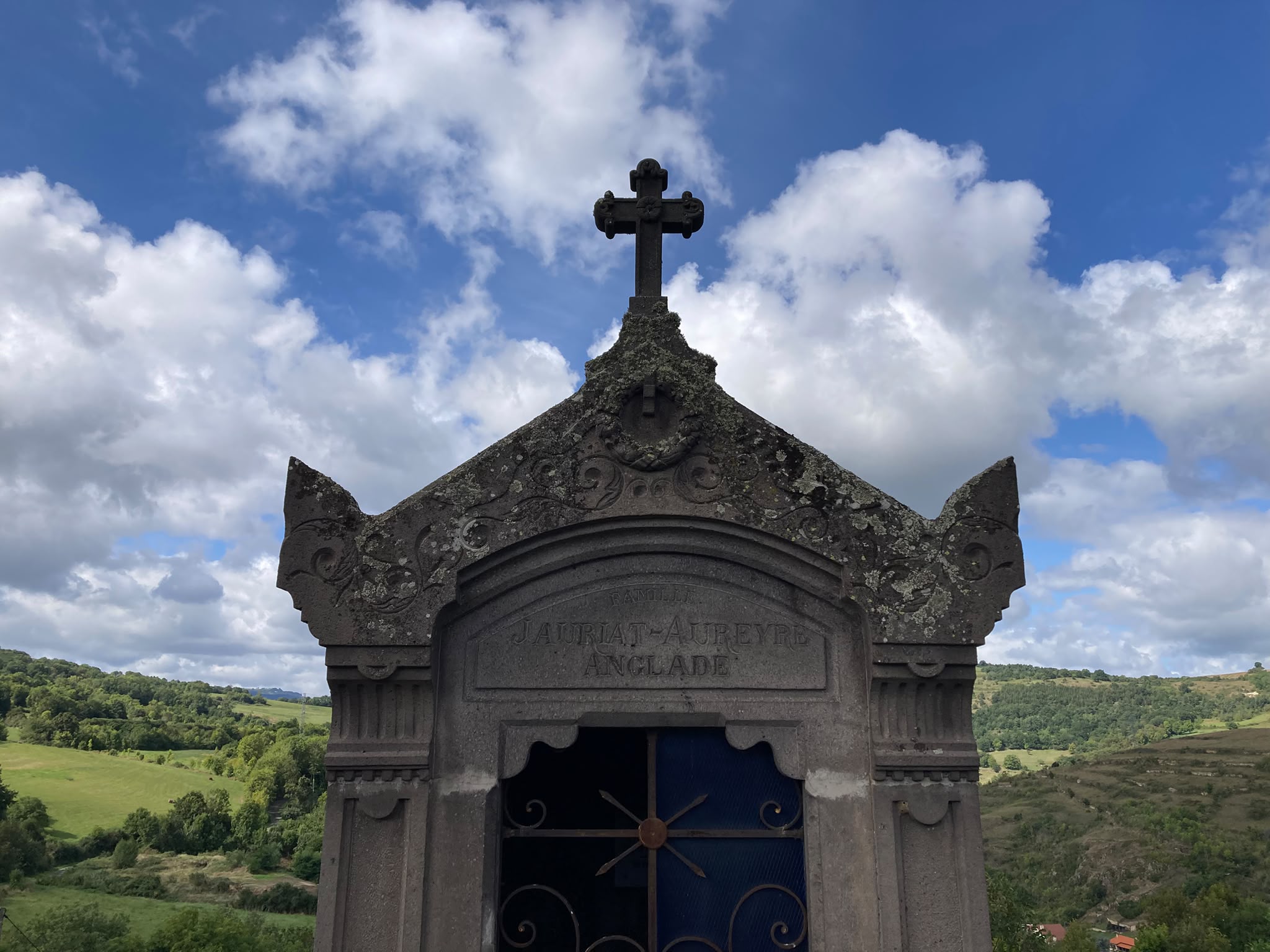
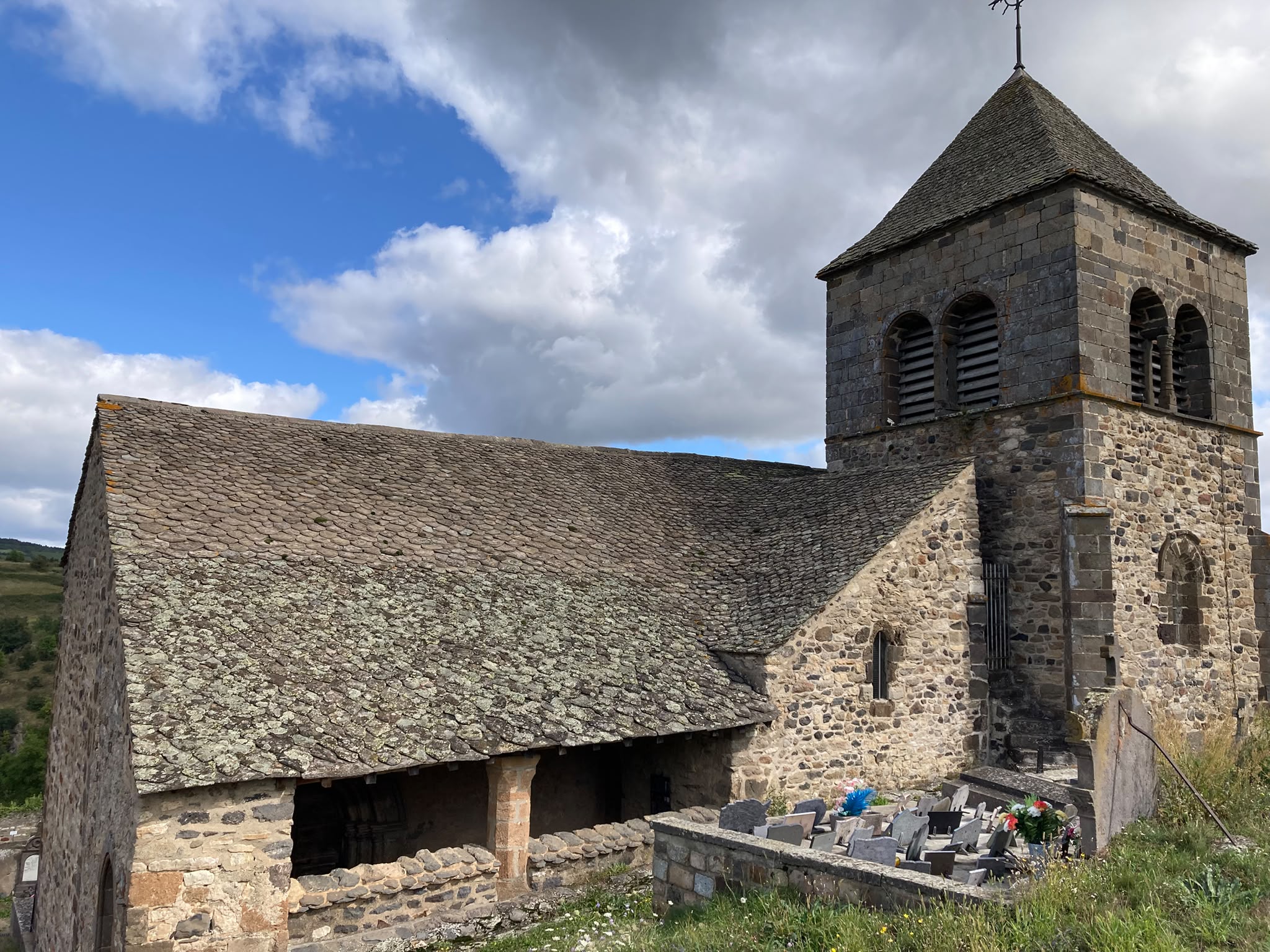
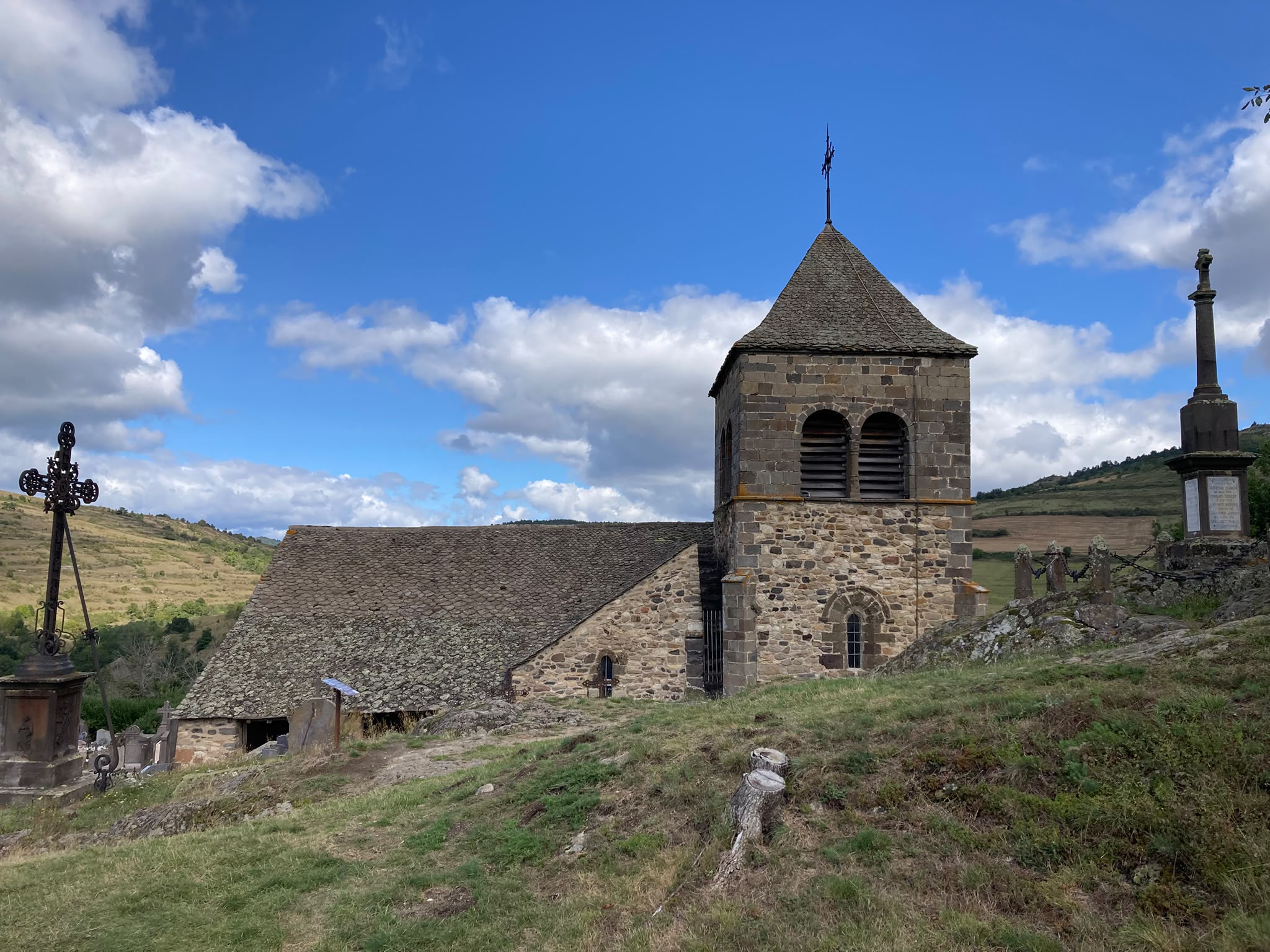
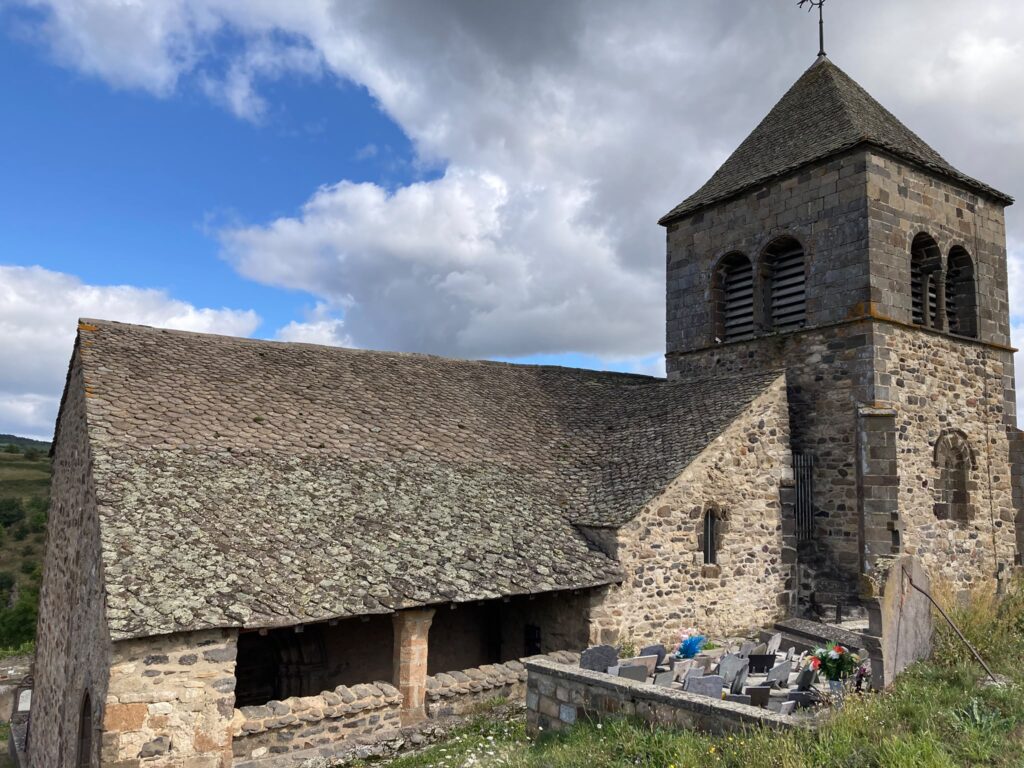
Any cemetery older than a hundred years will suffice. Carmes in Clermont-Ferrand is very adequate, but there is also the Chastel burial complex, a churchyard and ossuary situated thirty minutes south of the city in the hills above Saint-Floret. It is an ancient place, full of numen, melancholia, and skeletal remains. Many of these grisly fragments appear on top of the soil after heavy rain.
The ghosts of the Chastel may well trace their origins to prehistory. Neolithic artefacts have been unearthed in the area and there has been some speculation that construction on the medieval-era church took shape over an earlier pagan sanctuary linked to local Gallo-Roman populations. Archaeological indications suggest that Christians began using the hill as a burial ground in the twelfth century AD. It has fulfilled that function ever since, accumulating — over the centuries — masses and masses of corpses.
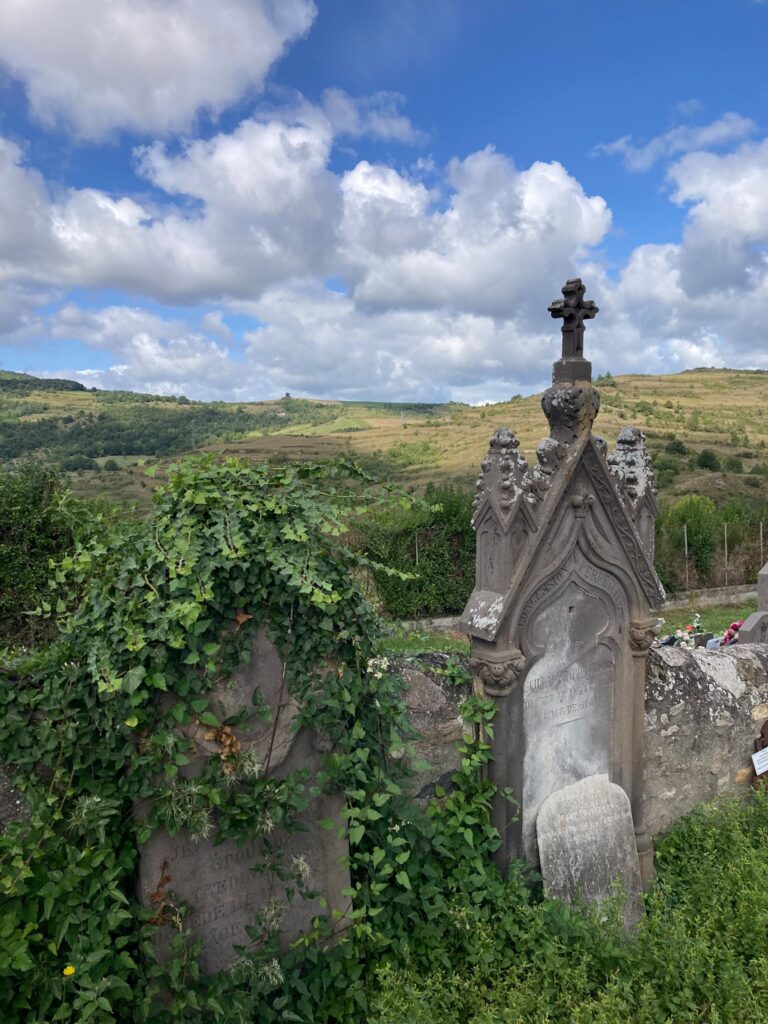
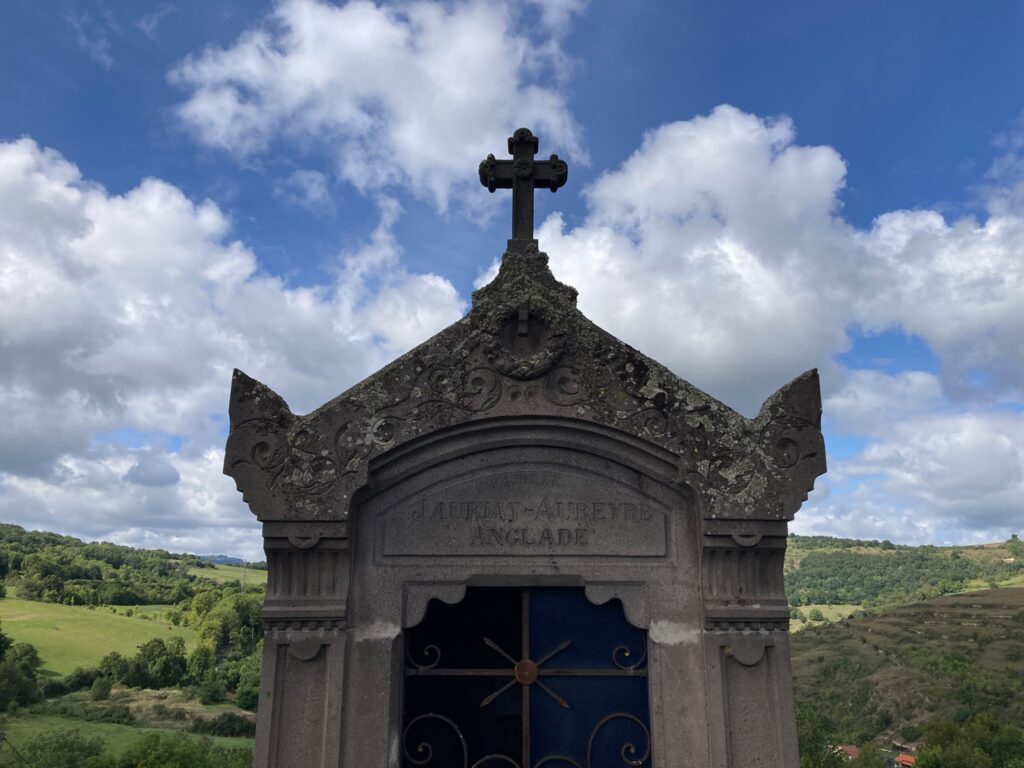
So there is, imaginably, much the ghosts of the Chastel could say and much that one could learn from them. What would they say about the wars, disease, and tragedies that encircle us? Would they, using the voice of the wind or perhaps the scattered sunlight playing on falling leaves, whisper words of comfort or encouragement? What would they say to the overlords and Babel-builders of our time? Maybe something in the spirit of the Roman poet Claudian:
“Put not now your trust in prosperity; learn that the gods are inconstant and heaven untrustworthy. That hand which sought to wield a sceptre, which a humbled nobility stooped so often to kiss, now torn from its wretched trunk and left long unburied begs after death a baneful alms. Let him gaze on this whoso carries his head high in pride of prosperity, see trodden under foot at the cross-roads him who built pyramids for himself and a tomb, large as a temple, to the glory of his own ghost.”