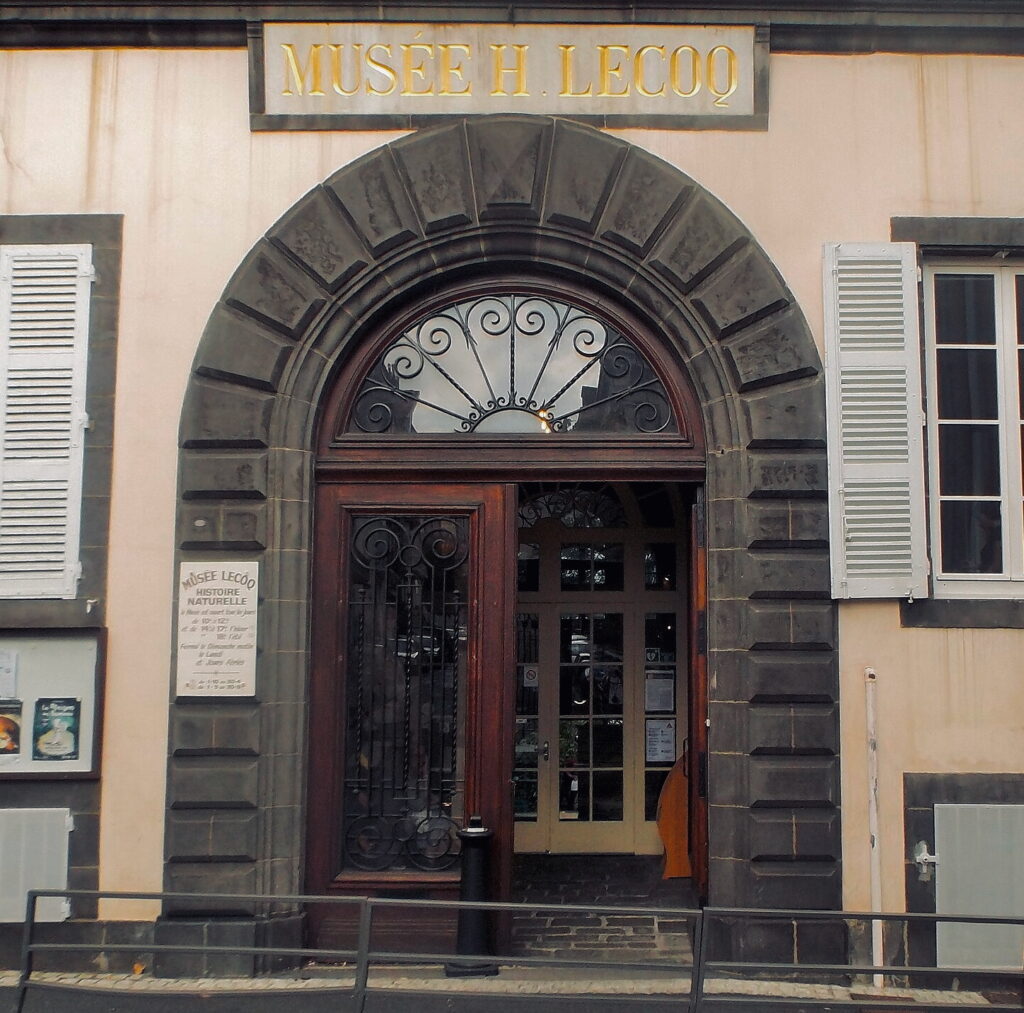



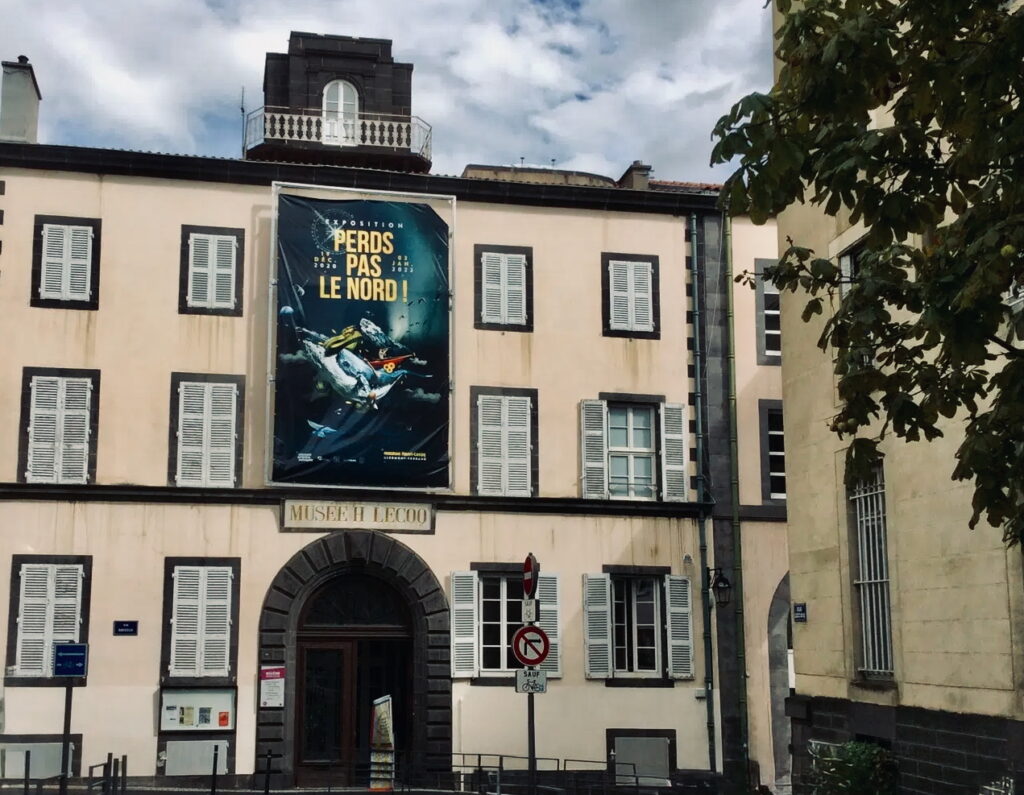
On the quiet side street of Rue Bardoux rises what could reasonably be described as one of the most interesting houses in Clermont-Ferrand. From the outside, it looks like any ordinary Clermontois townhouse; the inside however, is not ordinary by any standard. In fact, the Henri Lecoq Museum — once the home of the eponymous naturalist and academician who lived and worked in Clermont in first half of the 19th century — resembles something out of the world of Jules Verne. Here the scientific and globe-trotting personalities of Captain Nemo, Professor Challenger, and Phileas Fogg would feel right at home.
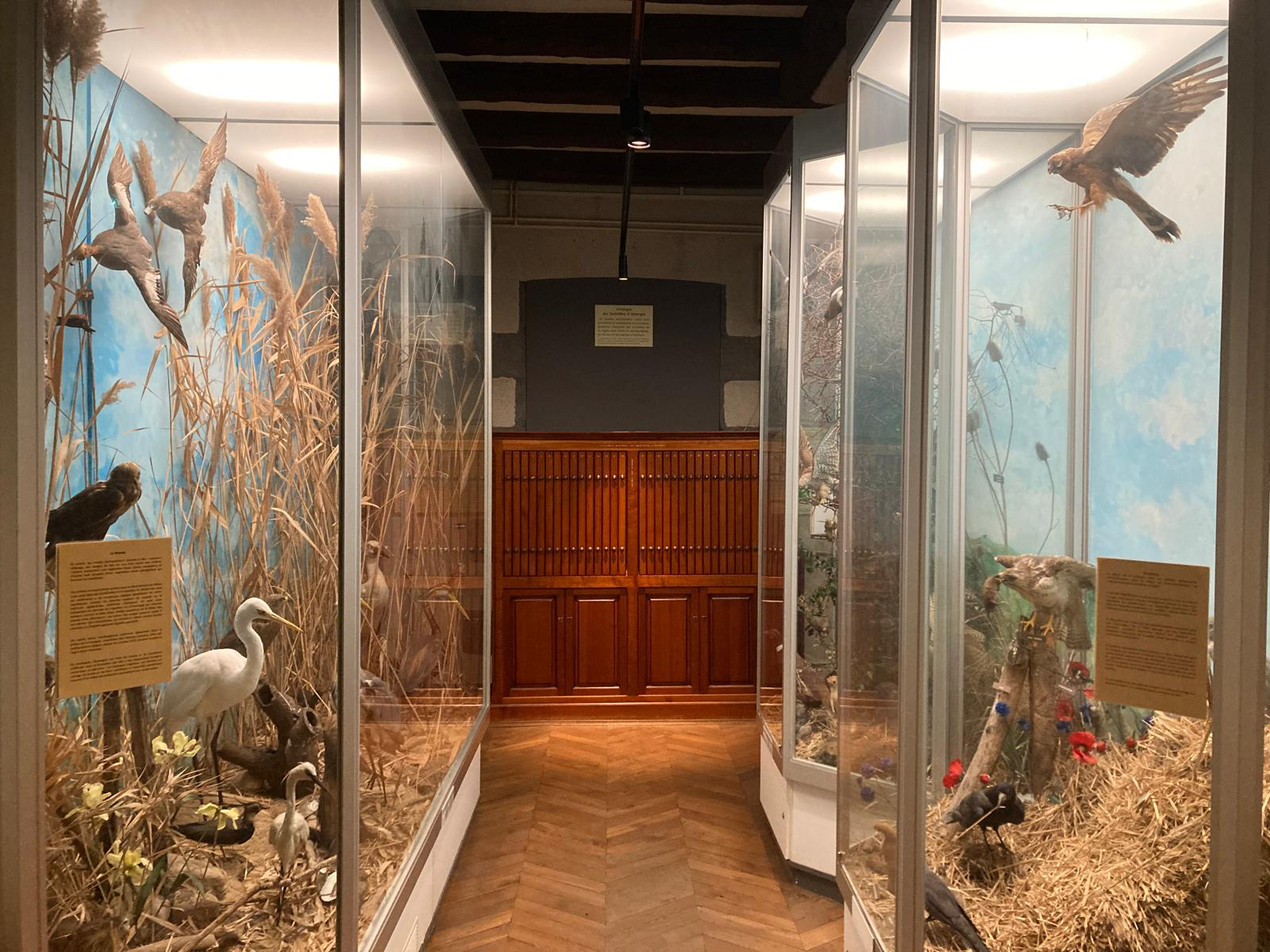
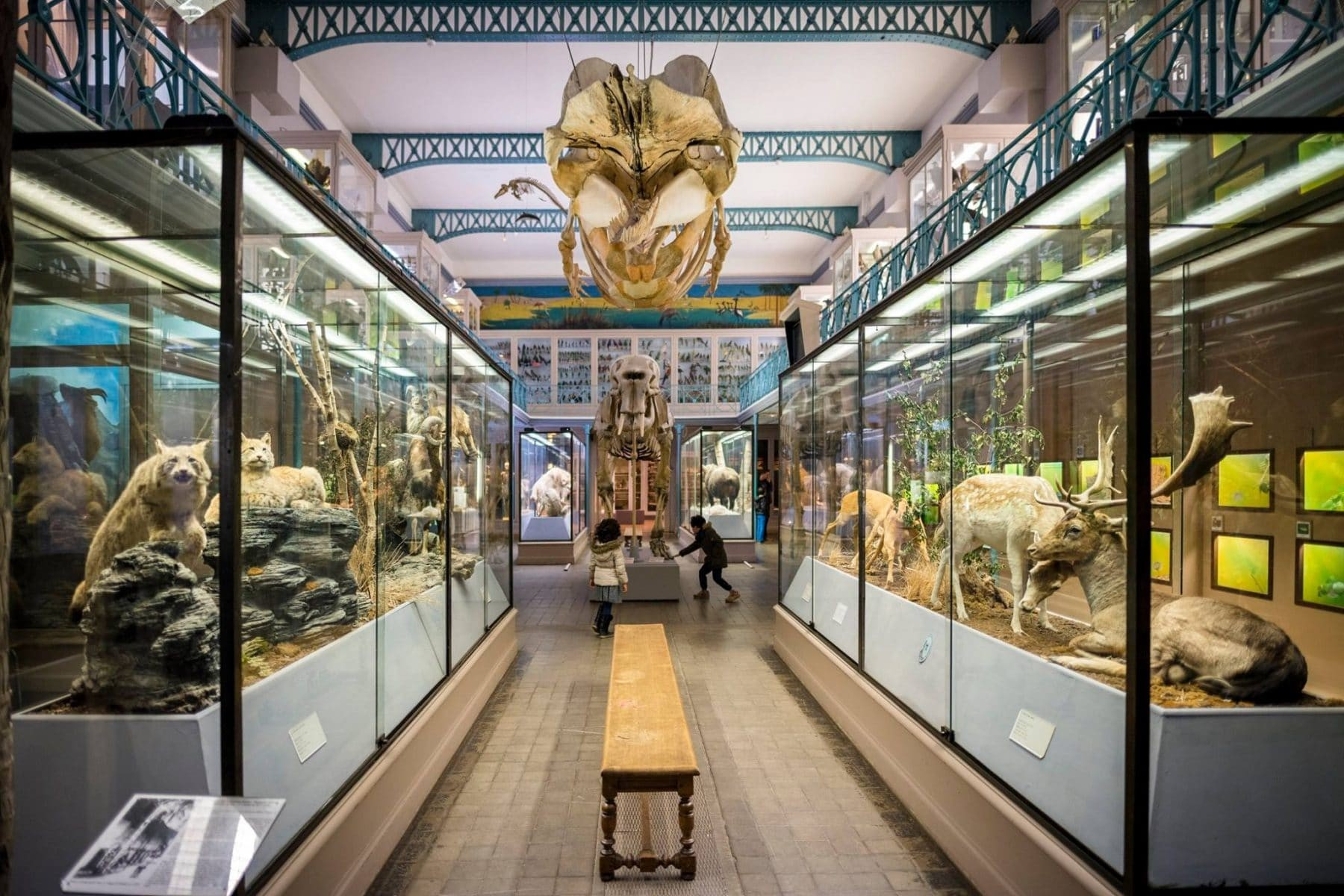
Henri Lecoq spent years accumulating a bona fide wunderkammer of minerals, taxidermy, fossils, and other miscellanea of scientific or historical value. Established in 1873, two years after Lecoq’s death, the museum contains the scholar’s collections as well as exhibition spaces, interactive galleries, and a cozy reading room for children. Everything in the Lecoq home seems well preserved, with its newer parts and furnishings virtually indistinguishable from those of the original structure.
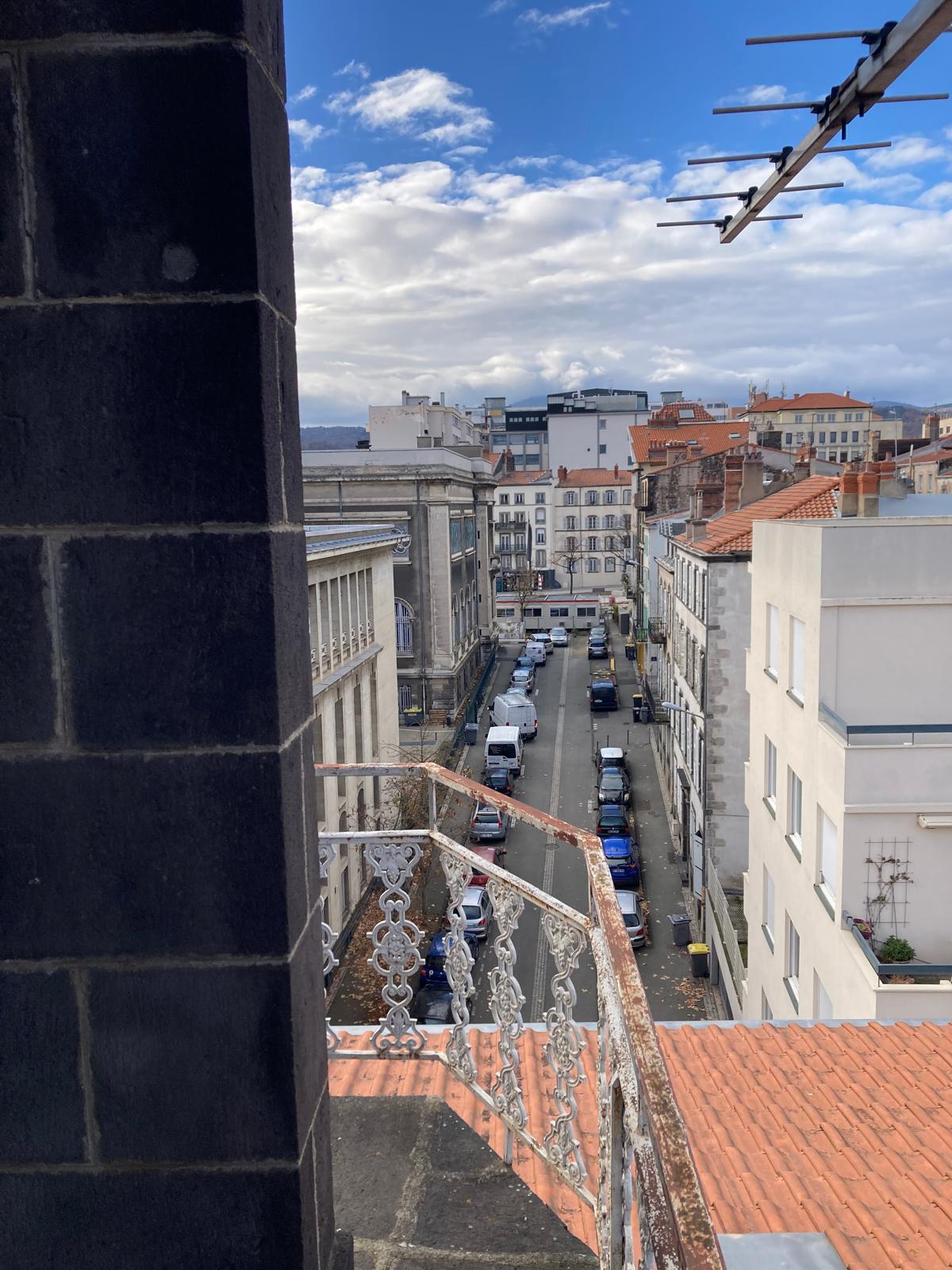
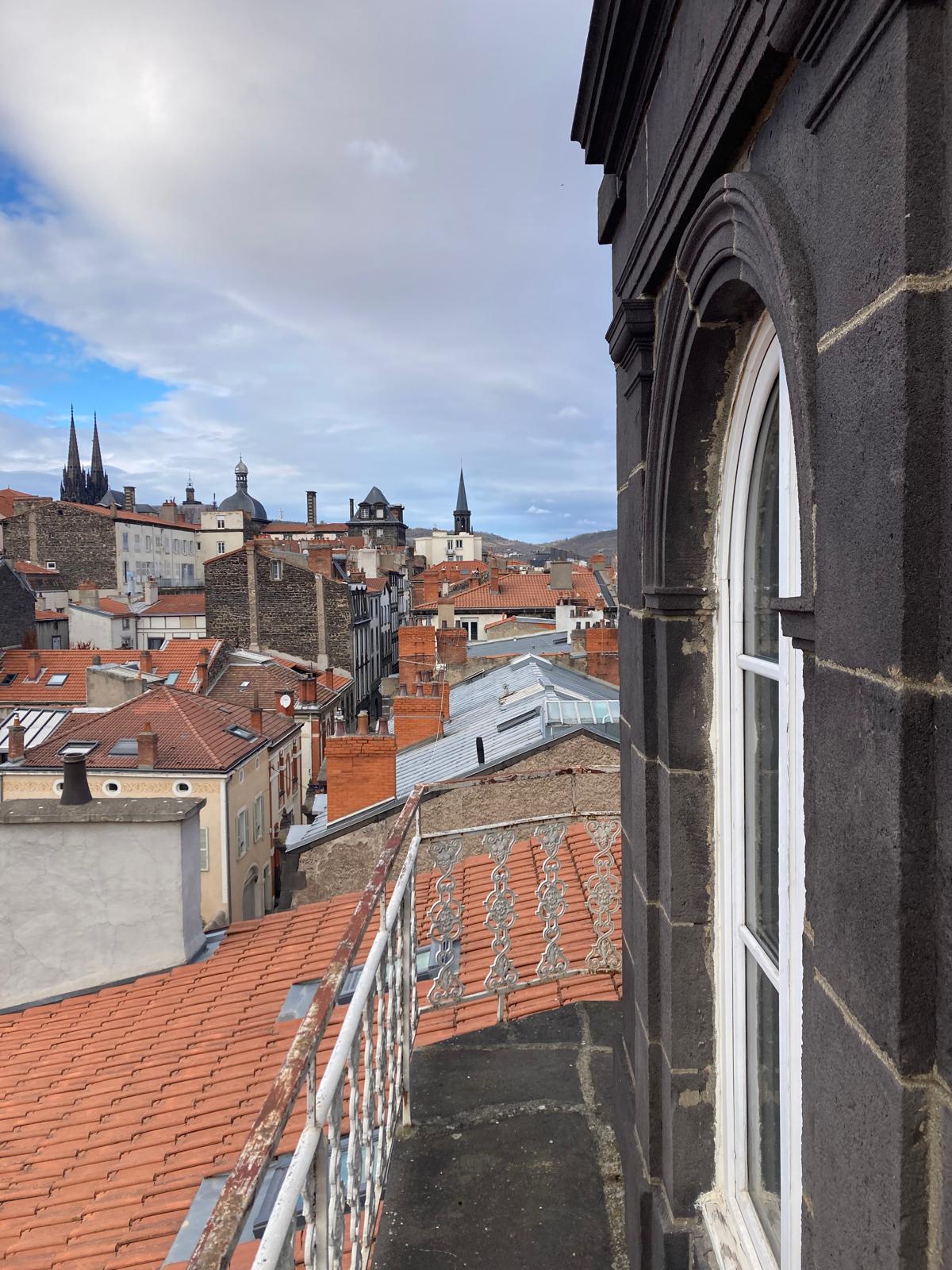
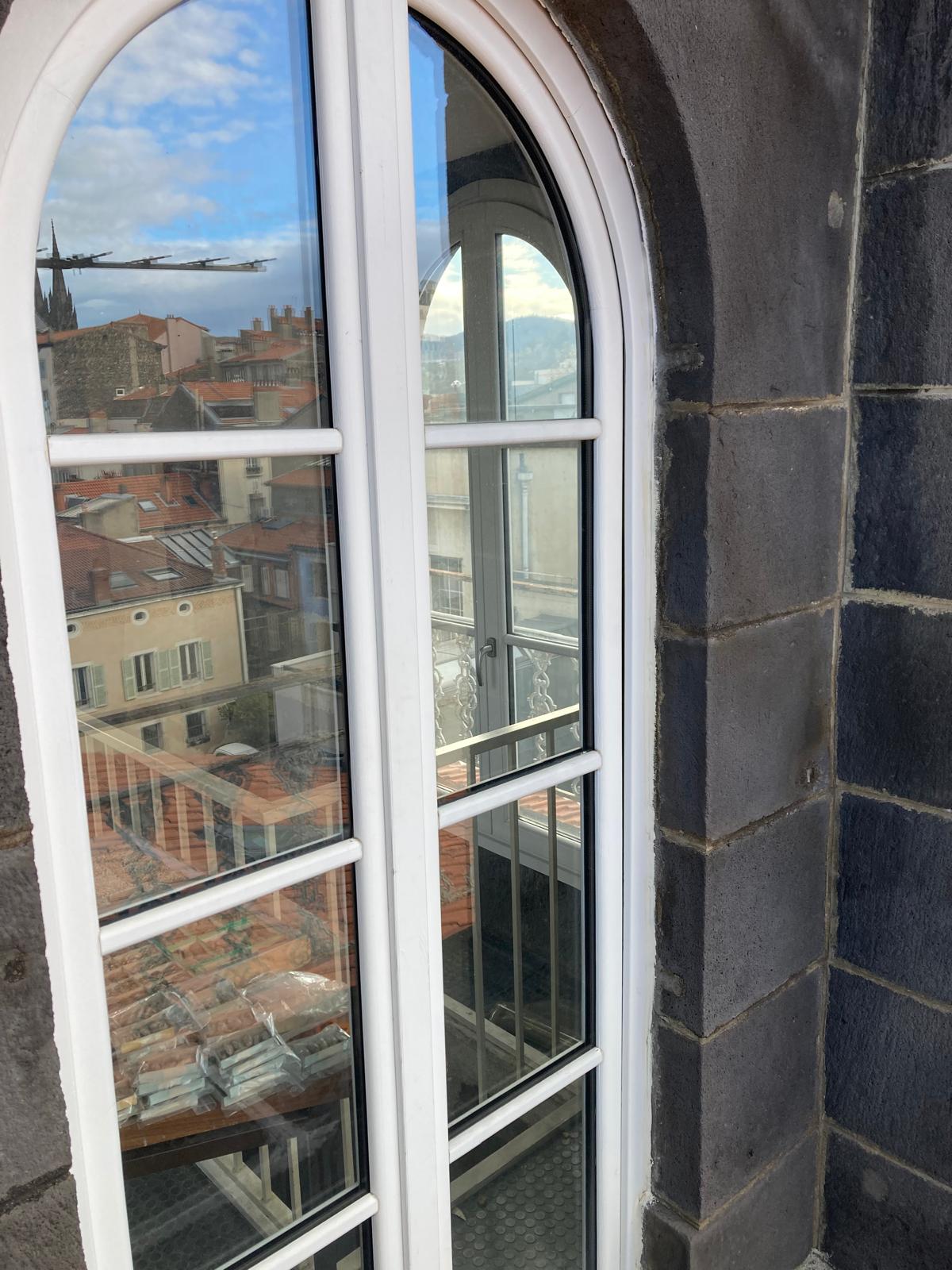
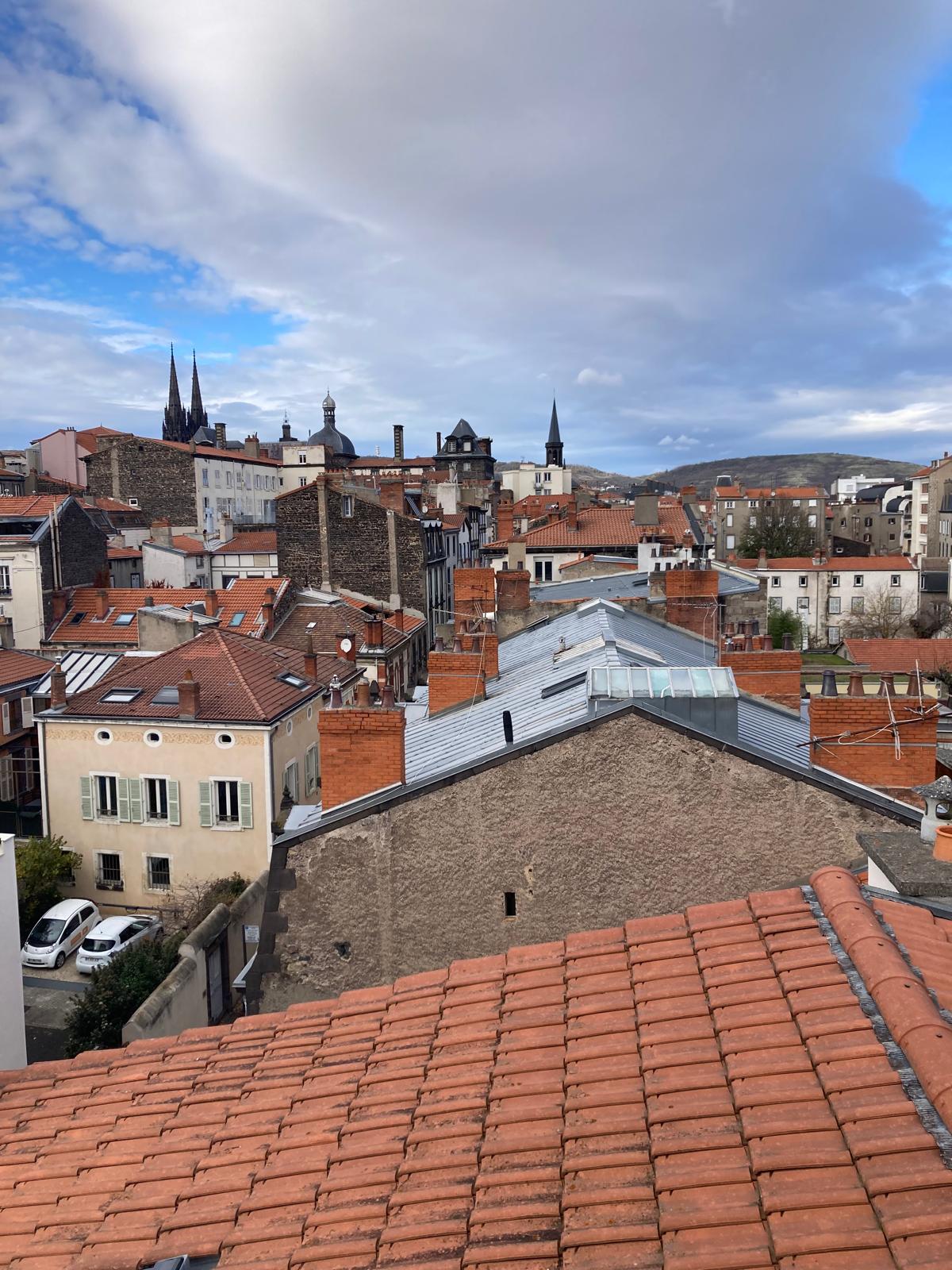
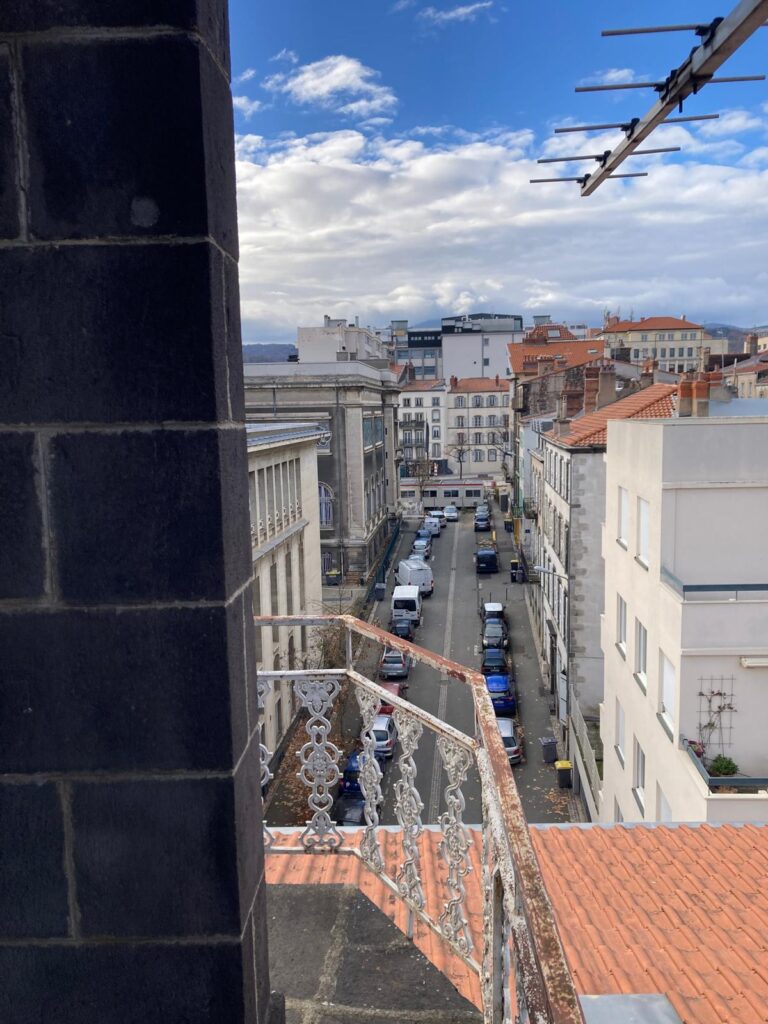
One of these features is the observatory, the main stage for Lecoq’s private meteorological researches. Although the terrace is normally closed off to the public, on my last visit — thanks to the kindness of museum director Audrey Aragnou — I got the chance to see it for myself. Needless to say, the views from the top were astounding. My photographs of course, don’t do them justice.
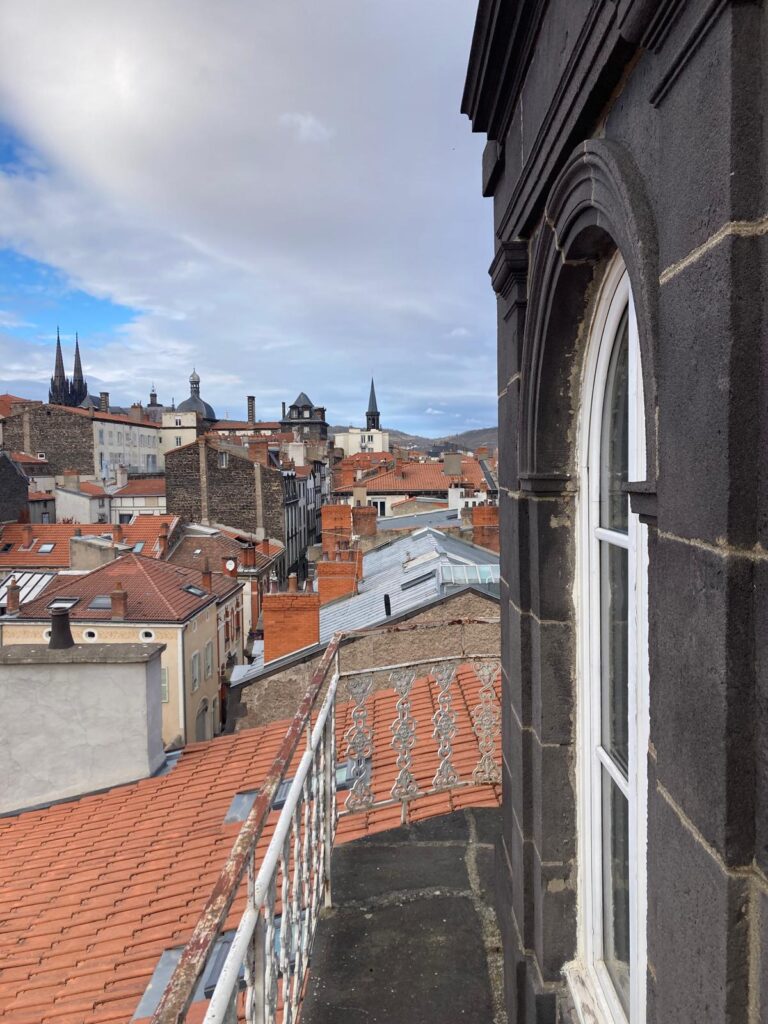
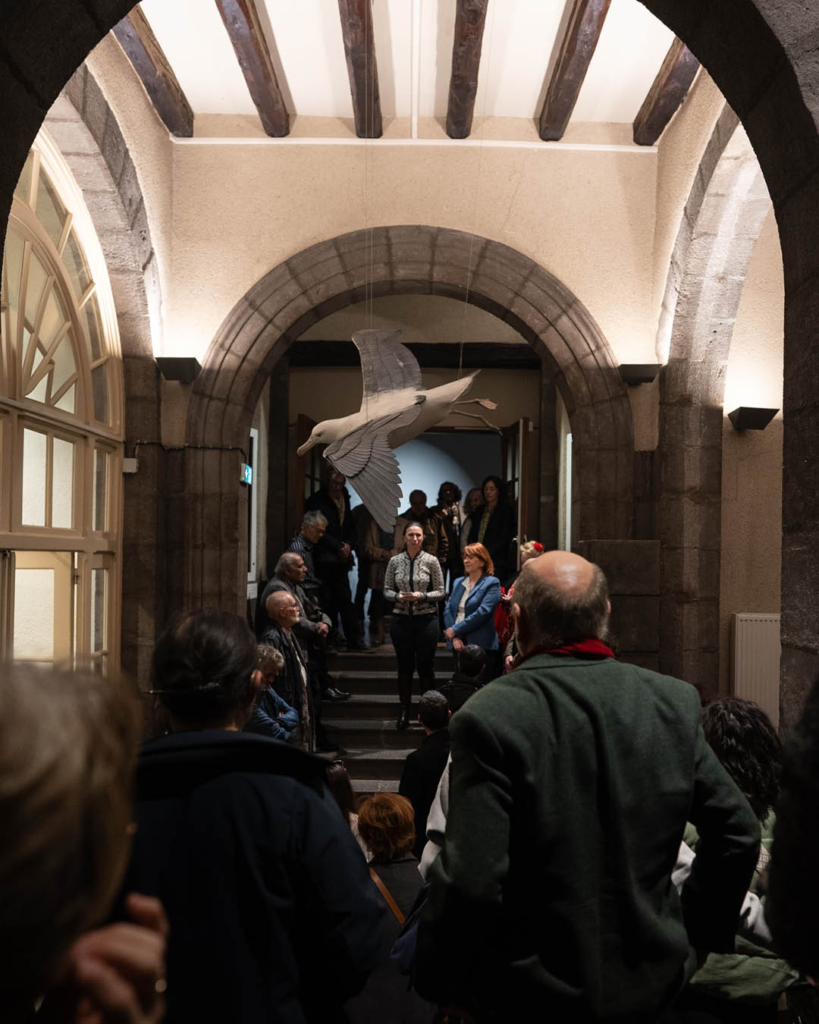
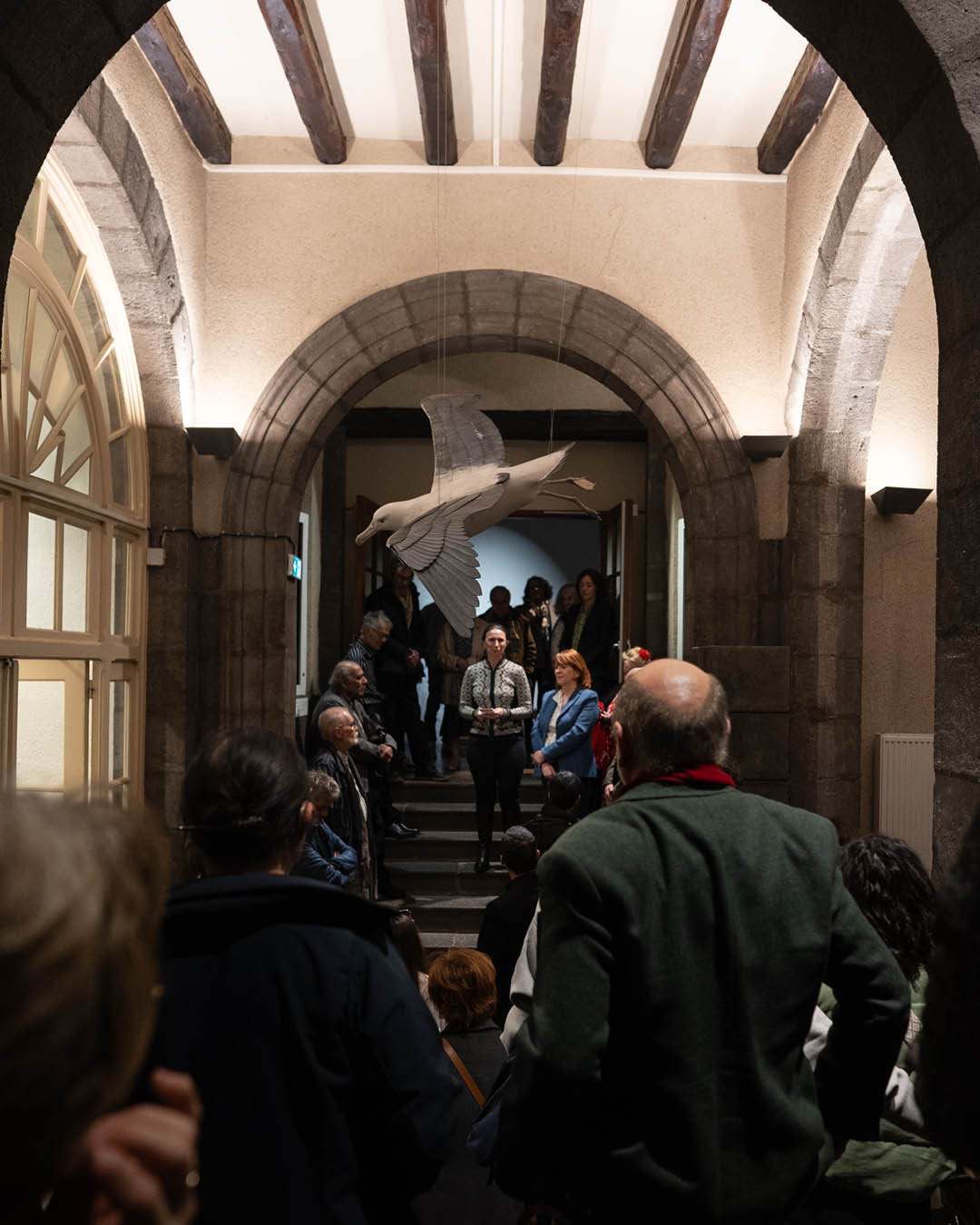
“This place is a museum and a story,” Aragnou told me as we toured the building accompanied with a team of other conservators, including deputy director Charles Lemarchand. One of the principal goals of the museum, she explained, is to create an environment where visitors can step into Lecoq’s world of scientific enquiry while engaging with the work of contemporary artists and researchers.

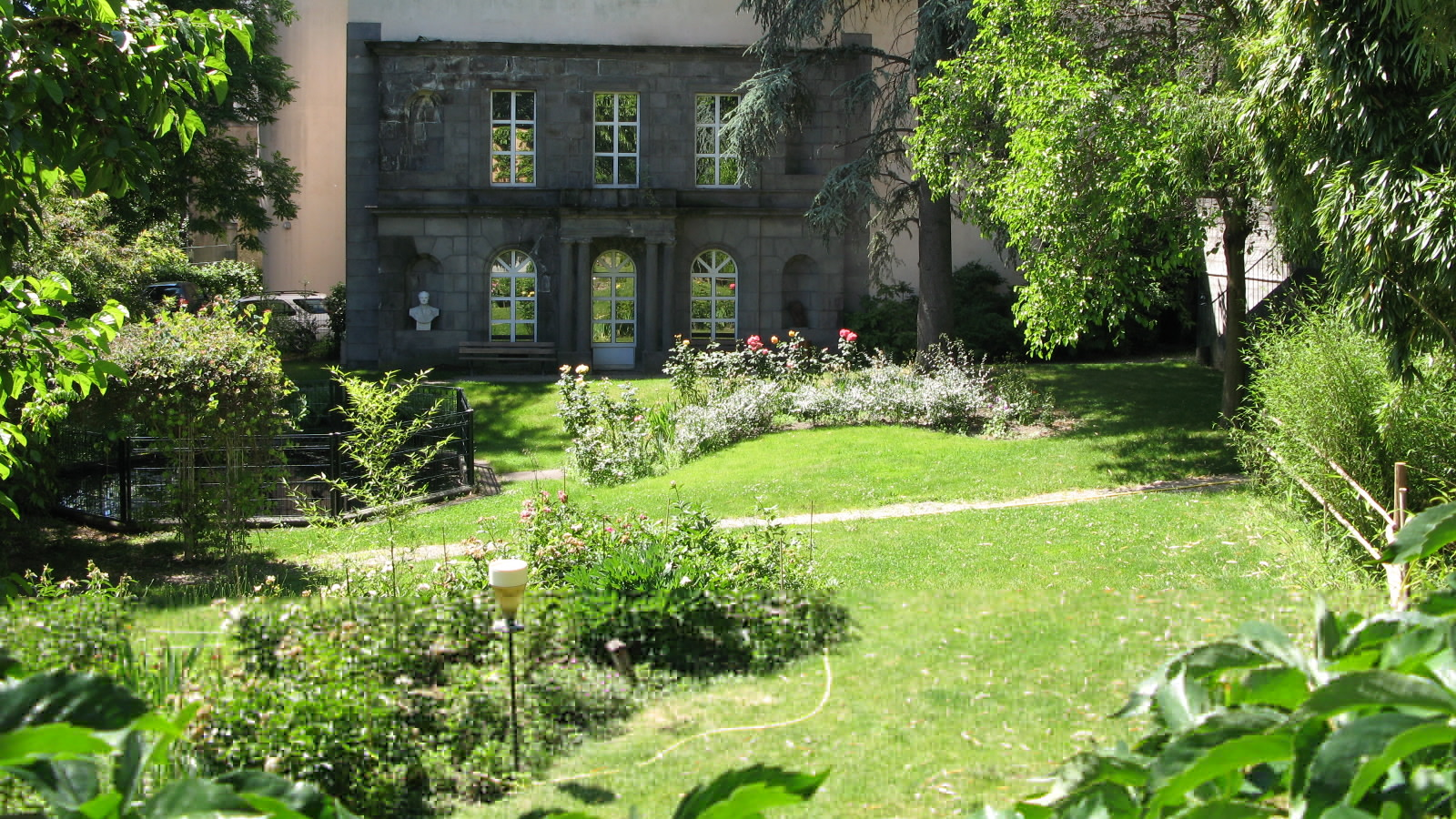
Another element of the Henri Lecoq museum that deserves mentioning is its “secret” garden. Full of fruit trees and other local plants, it’s both free to access, and fully open to the public year-round. Here the focus, Aragnou and Lemarchand told me, is on well-being. Plans are already underway to transform the garden into a modern cultural hangout with a cafe and an amphitheatre.

The Henri Lecoq Museum isn’t widely known — but it should be. Not only does it respect the scientific heritage of Henri Lecoq, but it also aptly caters to the evolving interests and imaginations of contemporary audiences. Few attractions in Auvergne combine the traditional and the modern as well as this one.