


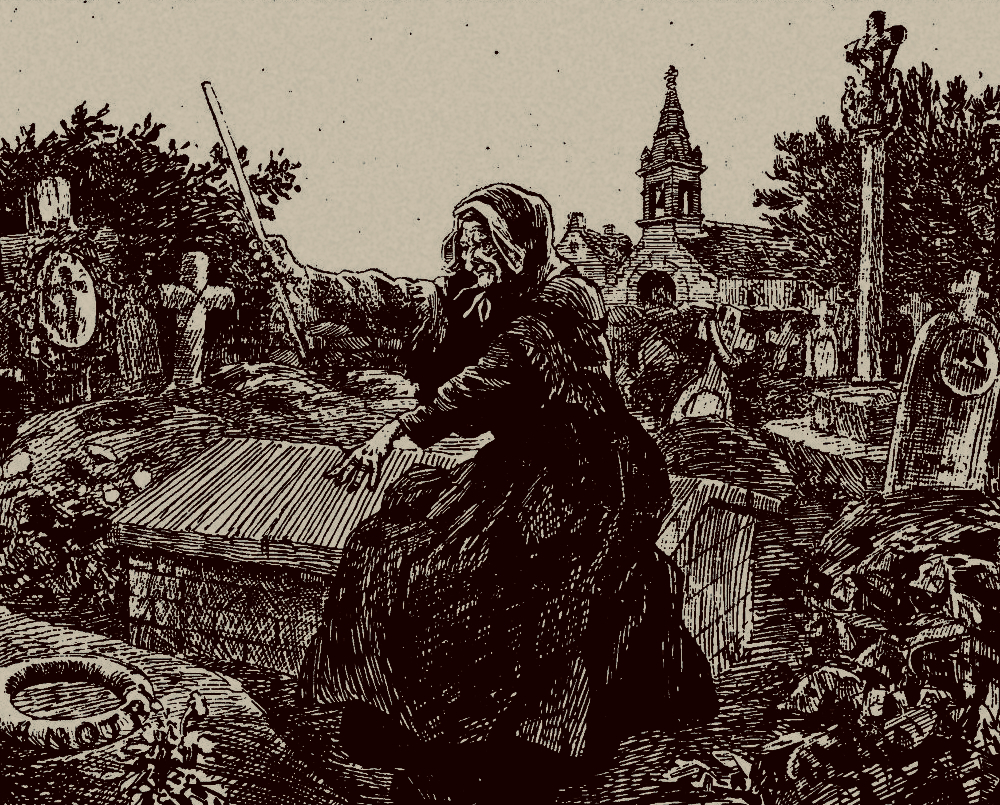
In the countryside the sorcerer is an individual who does extraordinary things; he heals all illnesses secretly, and can find lost or stolen things…
⁃ From Une Commune et une paroisse en Auvergne aujourd’hui et avant 1789: Isserteaux et les communes environnantes (1886)
The people of Old Auvergne took sorcerers very seriously. Nobles employed them as fixers and fortune tellers. Peasants relied on their physic and herbcraft. Vendors and vachers (cattle farmers) hired them to warn and punish rivals and thieves. Although most of these engagements were transacted discreetly, things occasionally went awry. When this happened, it usually was because the sorcerer stepped on the wrong person’s toes or disturbed a community’s fragile social balance in some way. Normally, law enforcement would only get involved if there was suspicion of murder, fraud, assault, or larceny.
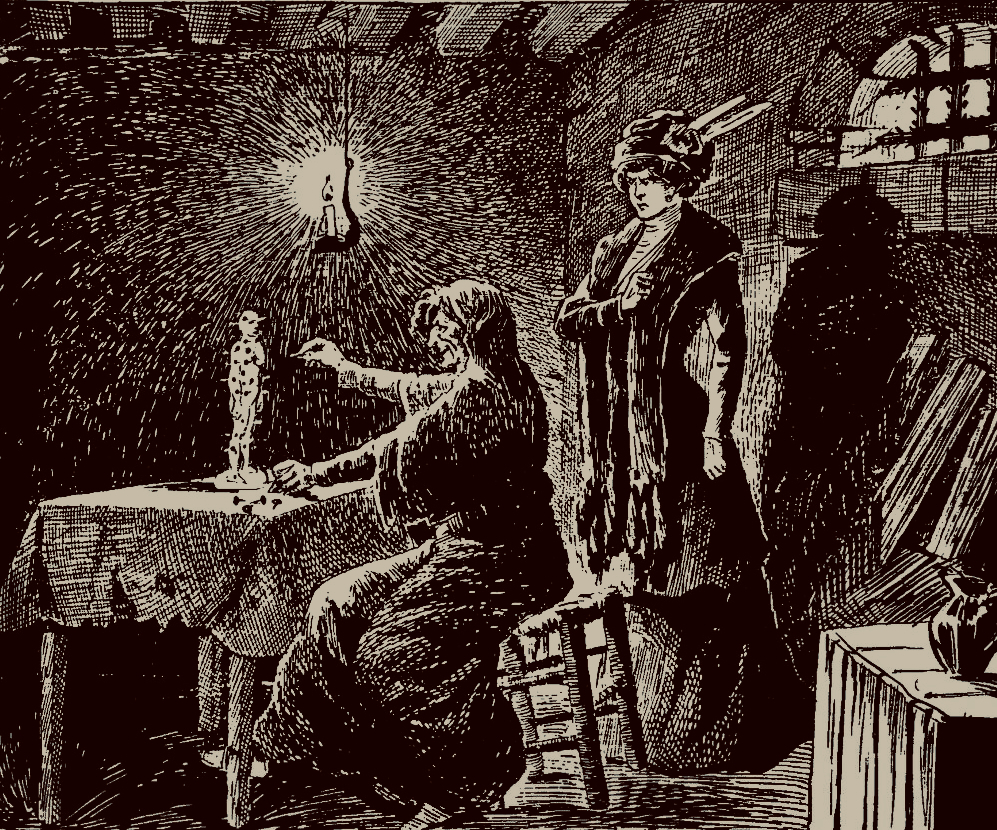
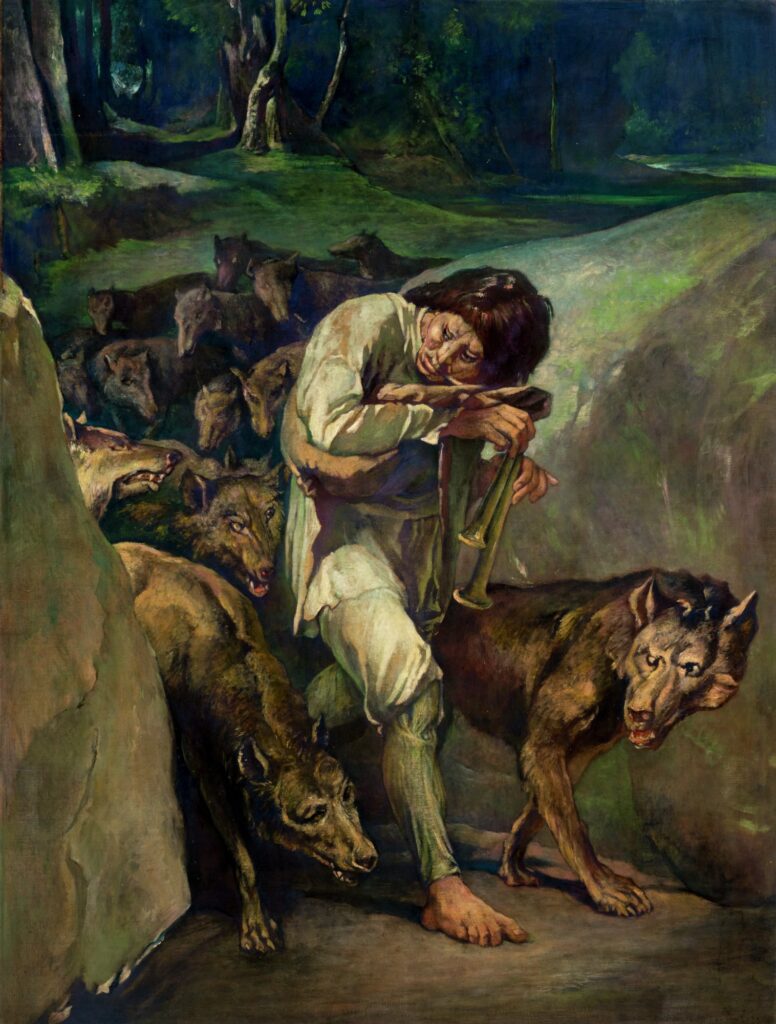
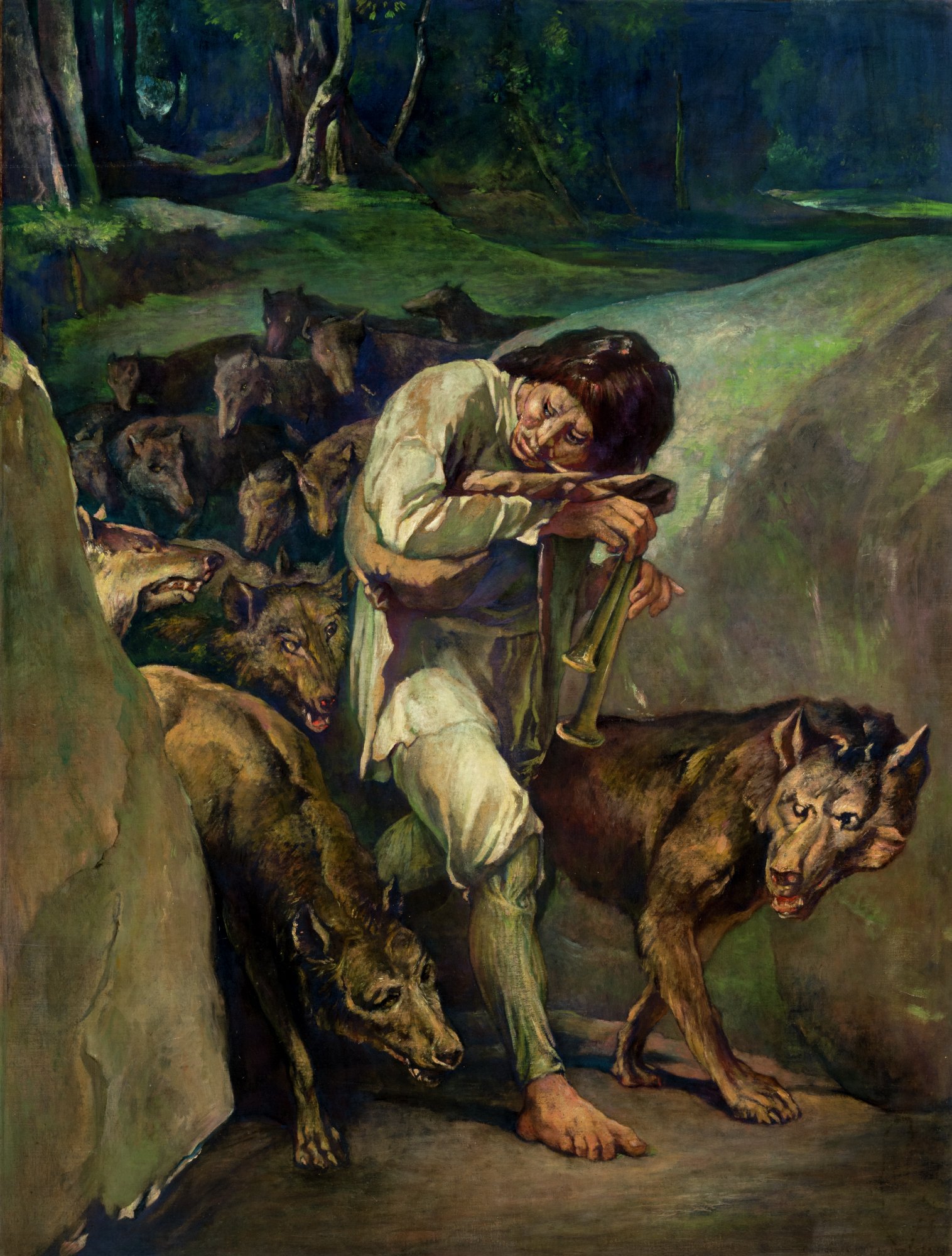
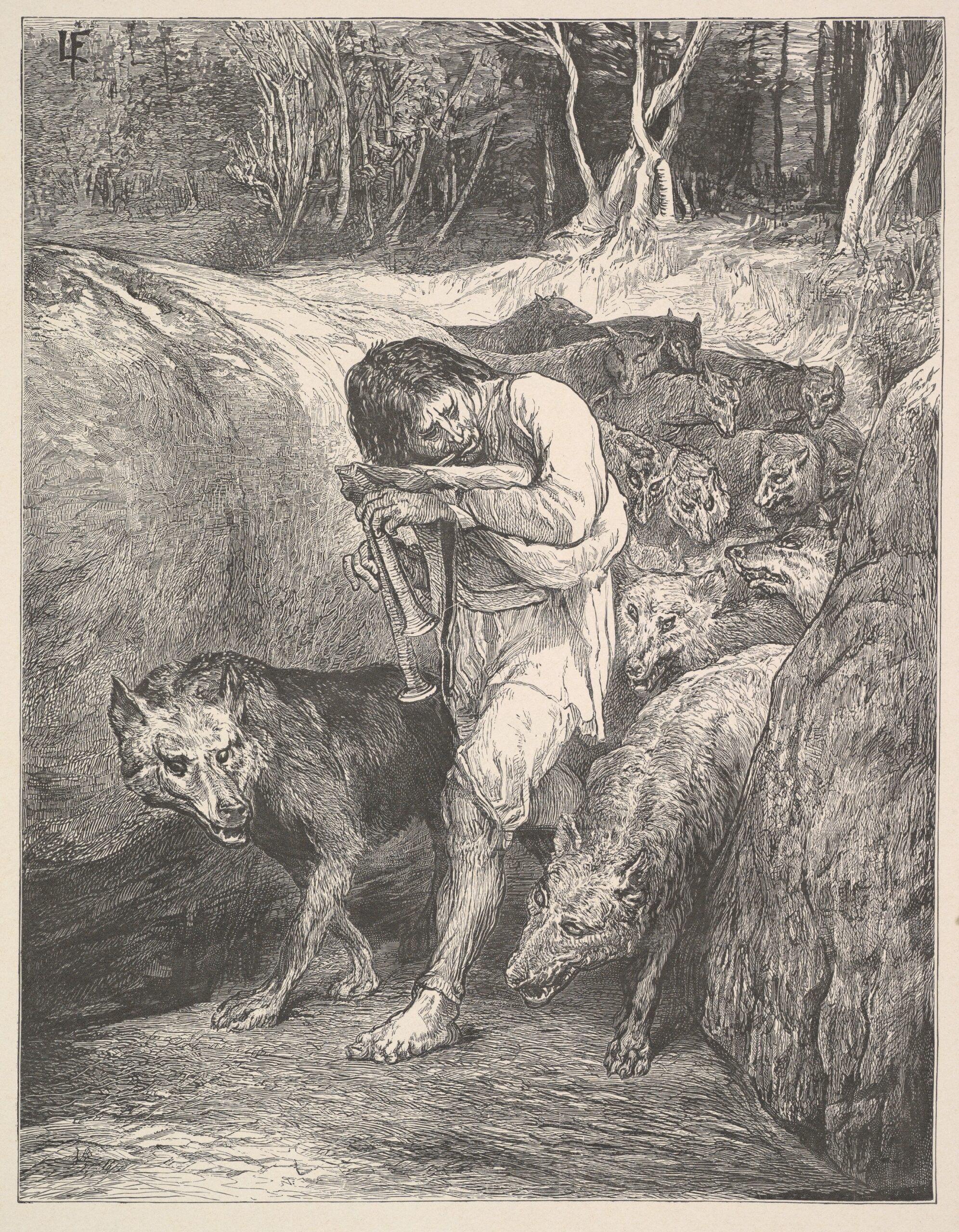
In Old Auvergne — if the accounts of early modern jurists like Pierre de Lancre and Henri Boguet are to be believed — the most notorious witches and sorcerers were prosecuted at the Presidial of Riom, the region’s highest court of justice. Judges could be especially severe. For example, in his demonological treatise, L’incrédulité et mécréance du sortilège pleinement convaincue (1622), De Lancre reported that the Riom court condemned the sorcerer Vidal de la Porte to be “hanged and strangled”. Among Vidal’s alleged magical powers was the ability to charm or “bind” wolves. More interestingly, he was also accused of having the skill to both restore and incapacitate clients’ or victims’ sexual potency.
These sorts of cases weren’t at all limited to the early modern era. Riom judges continued handing down sentences on the use of sorcery for centuries, all the way up to the Industrial Age. Records of such court proceedings aren’t easy to find, but when every so often something of the sort does resurface in the archives, it can provide useful insights into public perceptions of magic during a specific period of time.
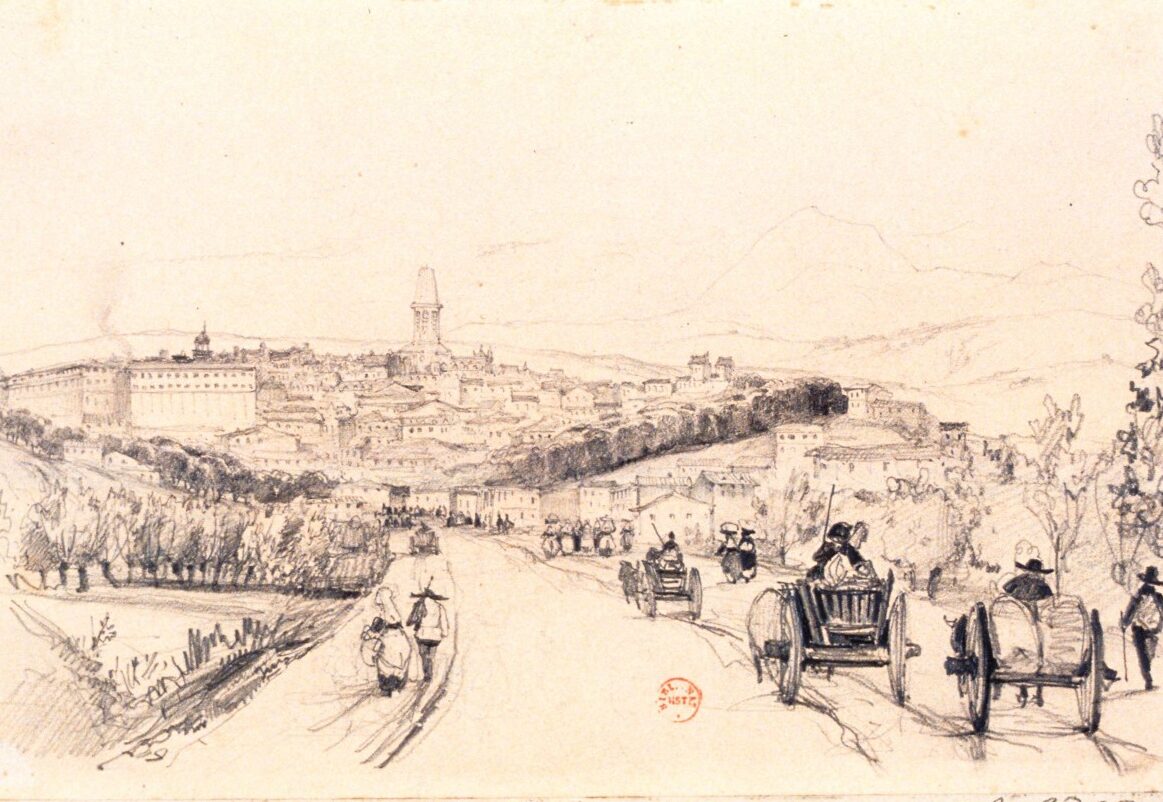
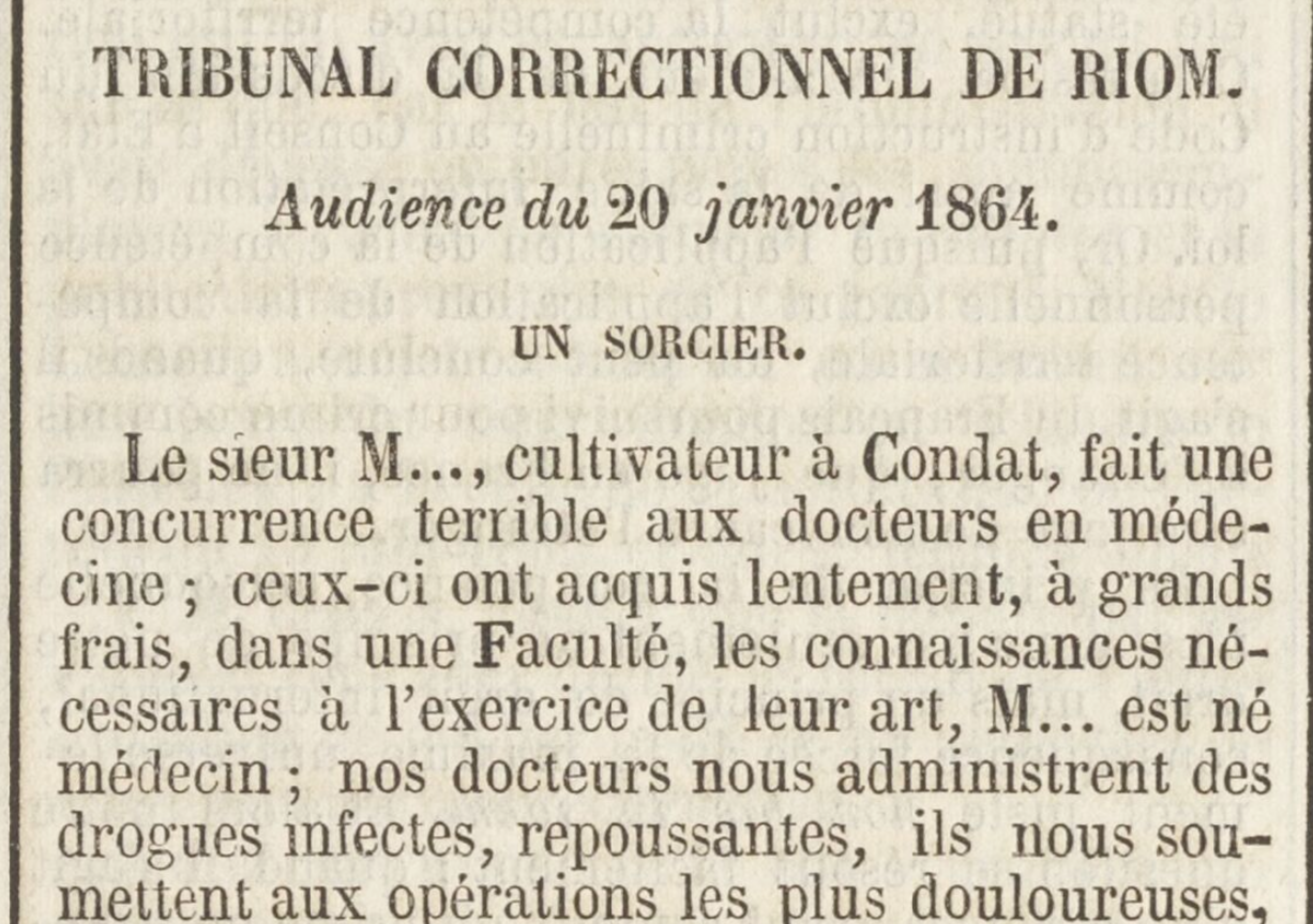
This brings us to the forgotten case of a certain Jean, a 50-year-old farmer from the Auvergne town of Condat who appeared before a Riom court in 1864. Accounts of the trial were published in several newspapers at the time; they reveal key facts about the nature of Jean’s practices, all of which seem consonant with Auvergne’s long-established guérisseur (folk healer) traditions.
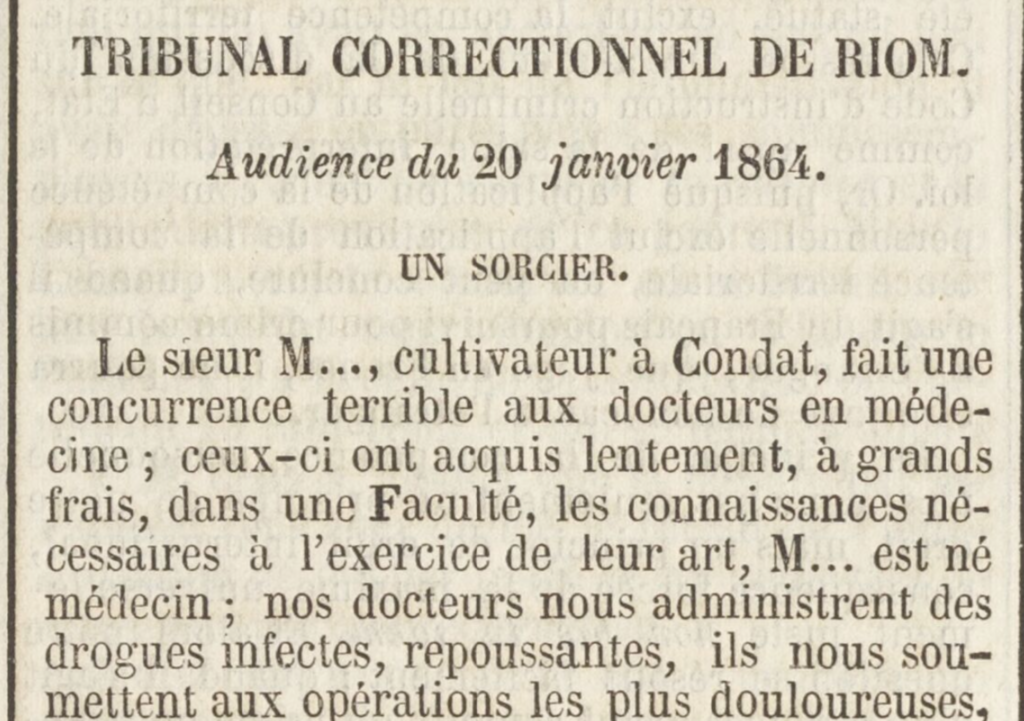
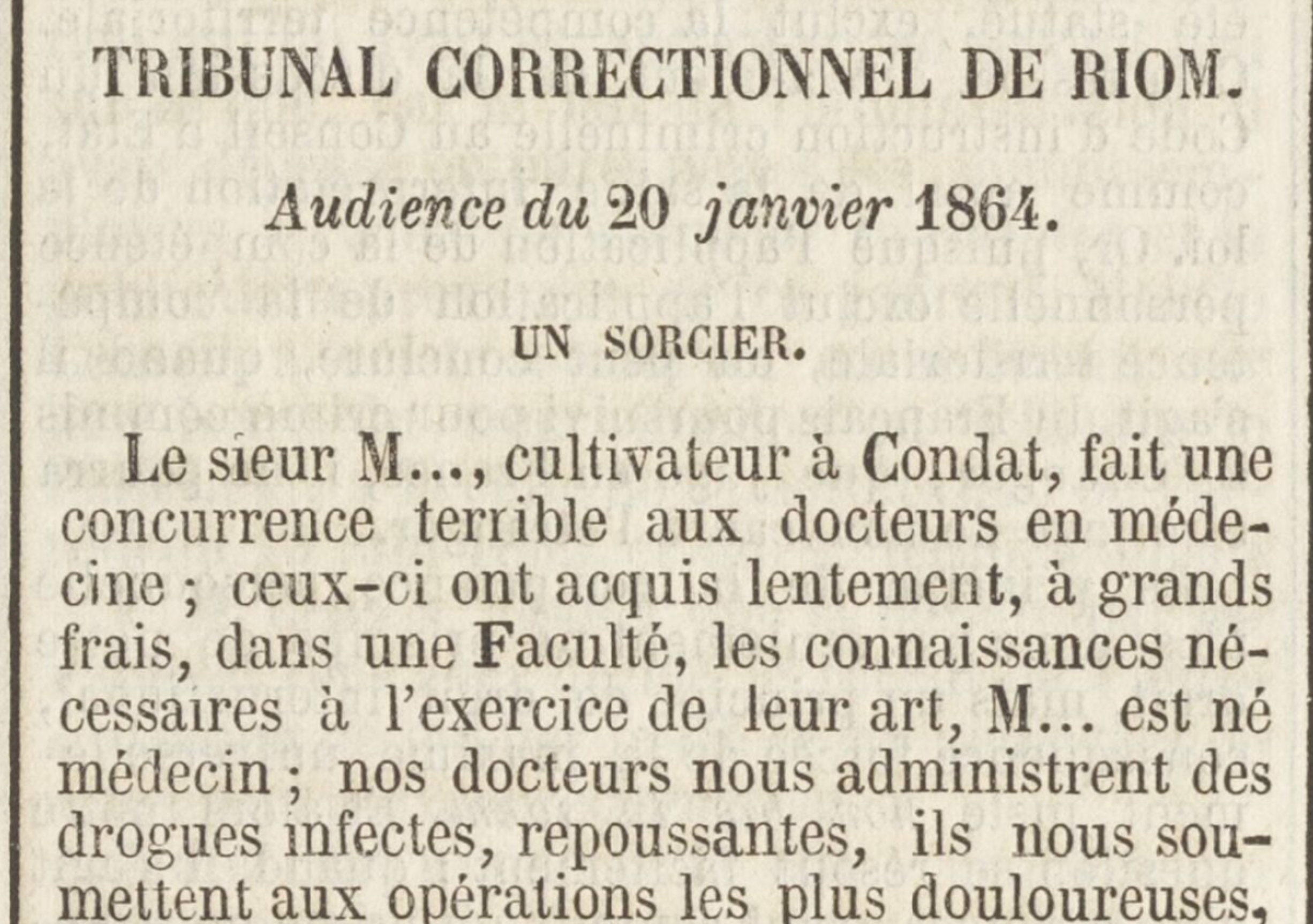
According to the Bulletin des Tribunaux, Jean appeared before the court on 20 January 1864 to be tried on the charge of practising medicine illegally. The judge called up several witnesses, but every single one of them only had positive things to say. Jean, they claimed, had cured them rapidly almost “without any treatment”.
How did he do it? Sometimes he made “mysterious signs” over the affected body part. Sometimes he made signs of the cross and recited prayers. Sometimes he made fumigations of herbs, prescribed certain fruit juices, or applied leeches. Jean could even heal patients at a distance if he knew the name of their patron saint. Like some modern-day guérisseurs, Jean refused payment for his services. Only after insisting did some clients “manage to get him to accept a few small coins”.
Jean described his powers, not as magic, but as a “gift of God” to be used for charitable reasons. It had, he told the court, existed in his family for over 200 years. He had received the power from his father, who had received it from his own father. Jean’s responses and the testimonies of other witnesses ultimately convinced the court of his goodwill and integrity. In the end, the judge only fined him five francs — effectively a day’s wages for a rural worker.
Though brief, Jean’s story is valuable insofar as it is one of the rare accounts that illustrate, however faintly, what some folk magic practices of 19th-century Auvergne looked like. His and others’ statements suggest that his “sorcery” derived from a familial, esoteric set of teachings and perspectives going back to the seventeenth century or even earlier. The associated secrets and practices of this heritage as it were still exist to this day. Undeniably, the region has seen its psychic landscape change significantly since the Revolution. More metropolitanism. Diminished church attendance. More political cynicism. But it is also true that, among the mountains and pastures of Auvergne, there are yet some magi who possess both the expertise and the virtue of Old Jean.
![[Vue_générale_de_Riom]___1800s](https://visitauvergne.org/wp-content/uploads/2026/09/Vue_generale_de_Riom___1800s.jpeg)