

It [The Clermont-Ferrand Underground] is an unexplored continent, the tip of the iceberg.
-Olivier Bianchi, Mayor of Clermont-Ferrand
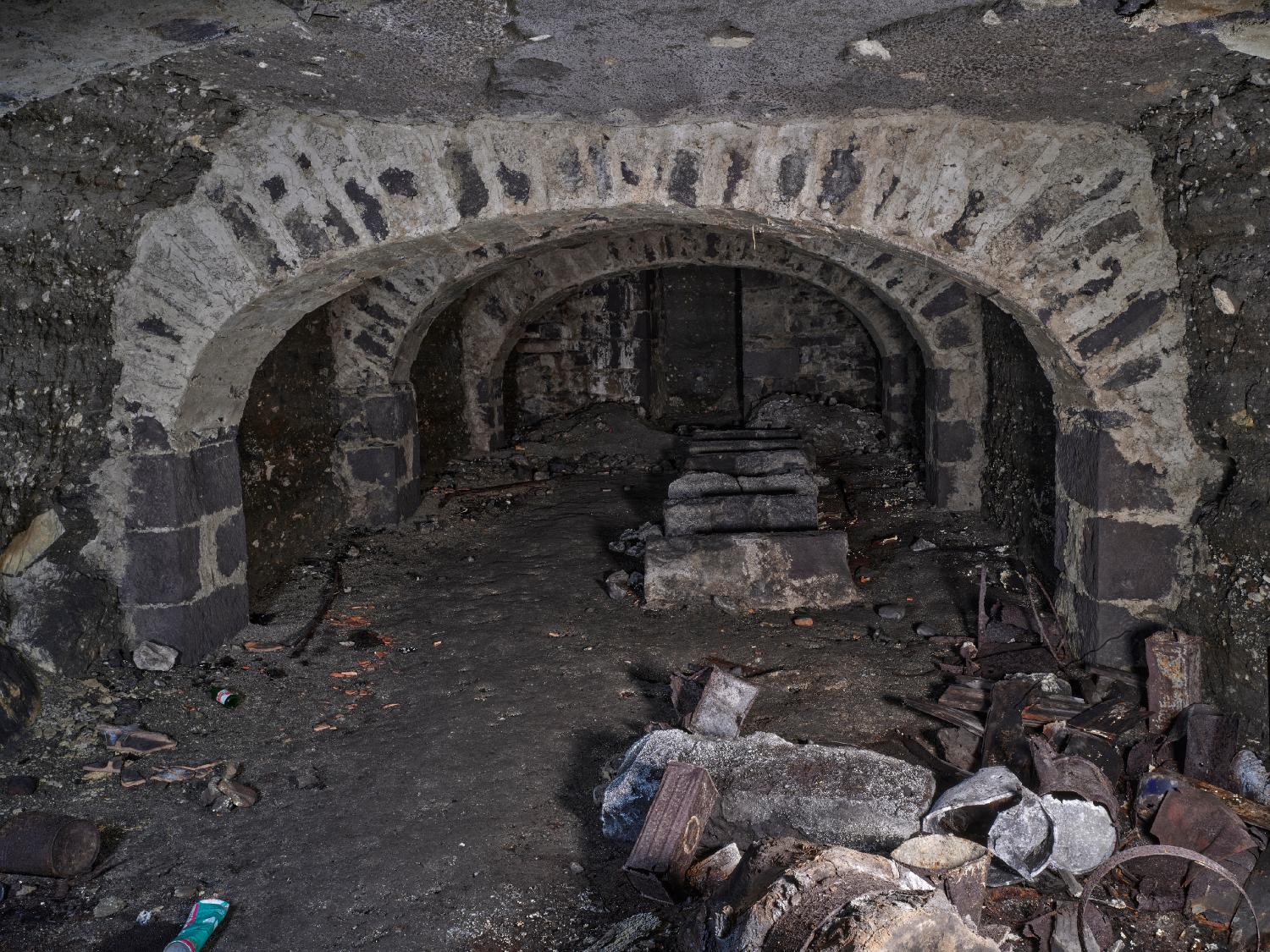
Beneath the streets of Clermont-Ferrand lies a sunless, cavernous world only a fortunate few have ever seen. Most of this vast realm remains unexplored. In fact, in its most forlorn and isolated corners scientists have made interesting discoveries, the most recent being the identification in January this year of a new animal species: Megathorolax cellarincola.
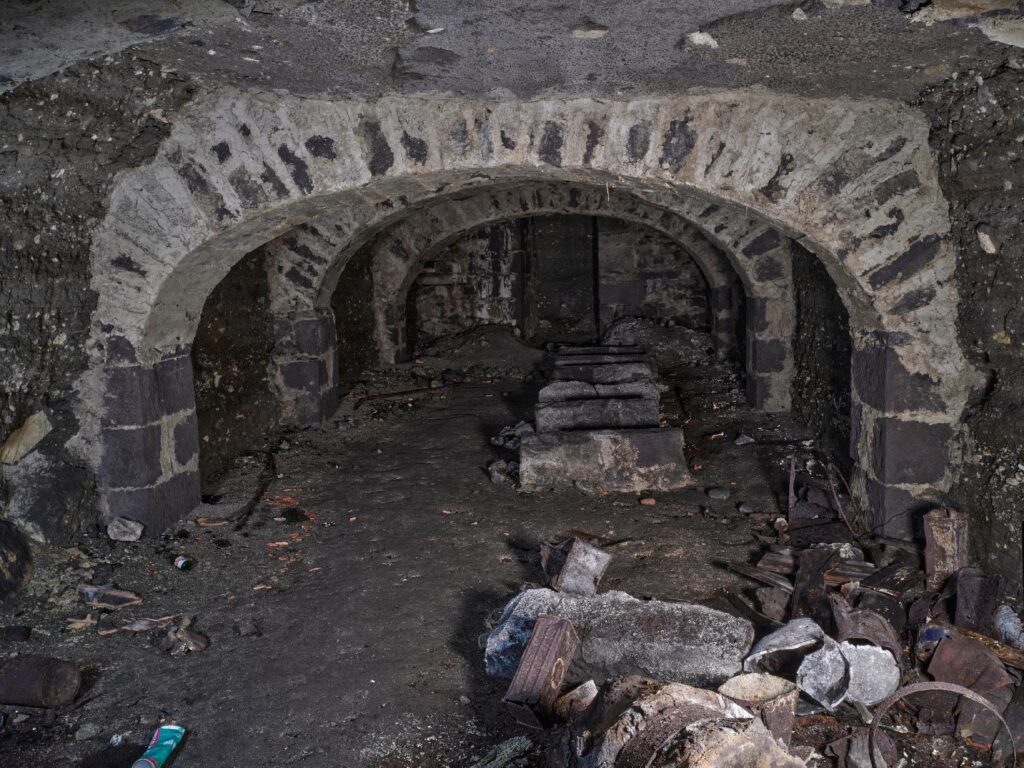
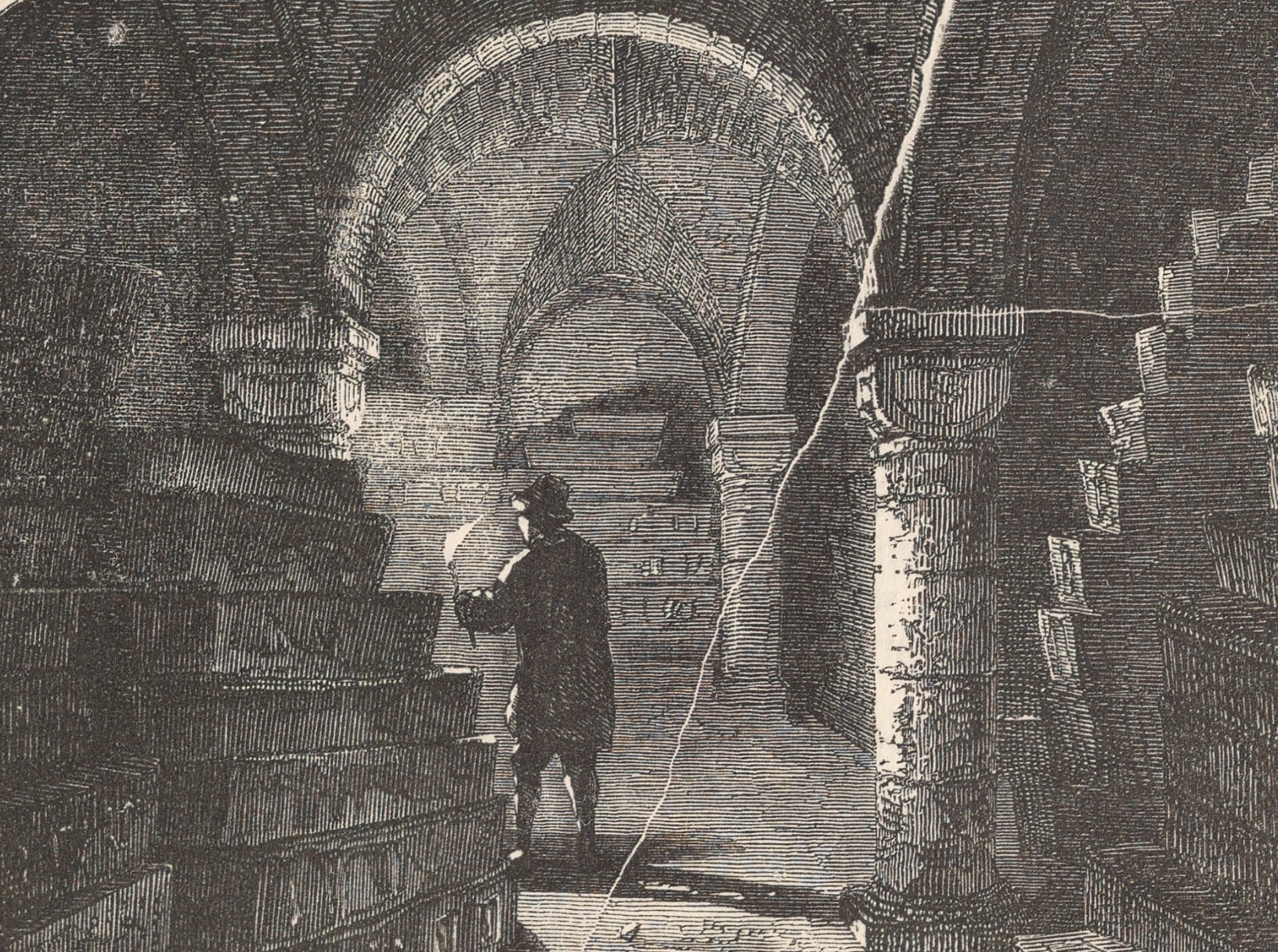
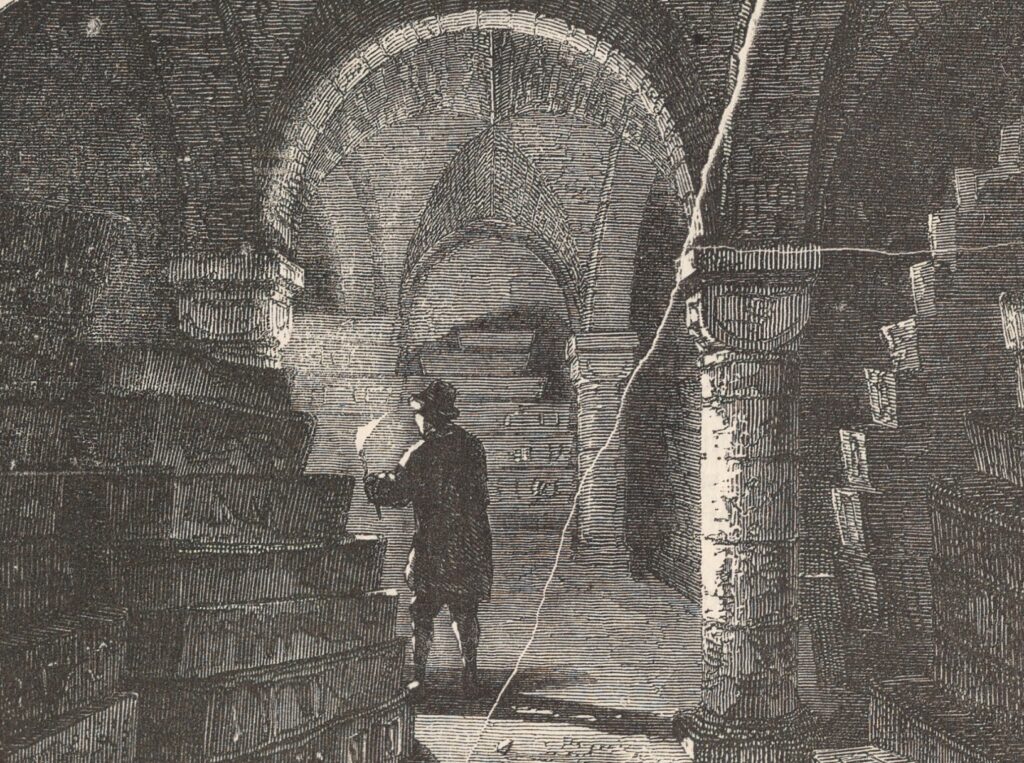
Not unlike Paris’s catacombs, the Clermont underground comprises labyrinths and labyrinths of manmade passages, vaults, galleries, and storage areas. Its oldest parts date back to the time of the Roman Empire, when Clermont — then known as Augustonemetum — was a principal settlement of Roman Gaul. In those far-distant days, the city’s residents, keenly aware of the easily workable volcanic soils under their feet, carved out cellars for themselves to store wine and cheese.
Subsequent populations built over, modified, and expanded on these constructions. They also dug new souterrains, and over the centuries these served as escape tunnels, hideouts, garbage dumps, and even criminal lairs. Antony Thomas, for example, who was arguably Clermont’s most famous twentieth-century gangster, kept a stash of weapons, books, and stolen treasures in a deep cellar near rue Ballainvilliers.
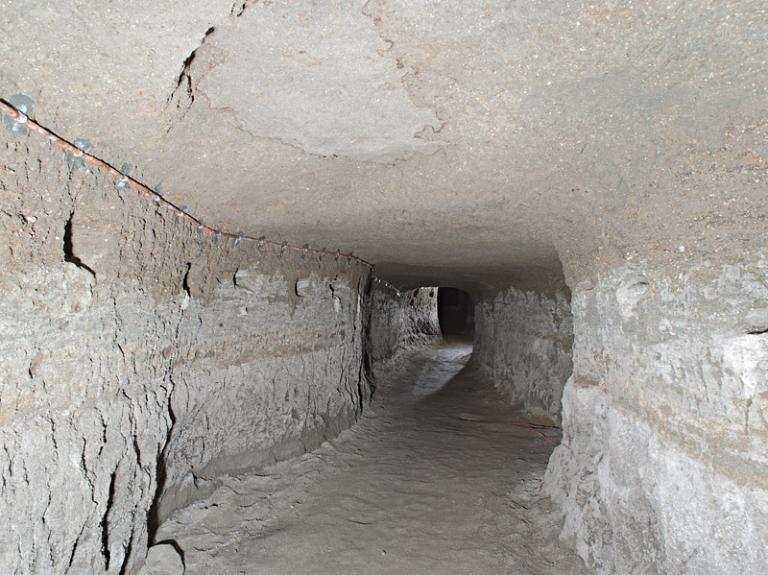
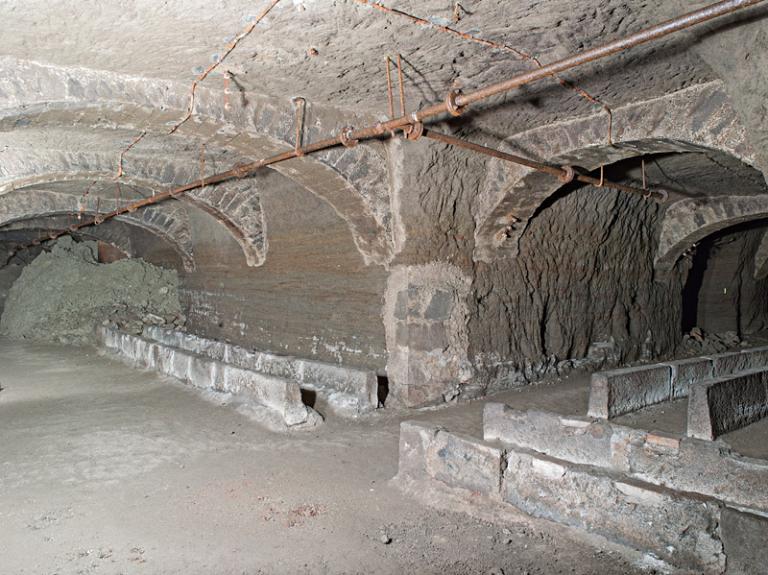
Although sections of the Clermont underground are almost two thousand years old, its most expansive and most studied cellar network was excavated in more recent times. Roughly one kilometre in length, and located beneath the former Hôtel-Dieu hospital, it traces its origins to the eighteenth and nineteenth centuries. Smaller, more disjointed subterranea also exist under several bars, stores, and hôtel particuliers in the city centre. I myself have toured one below rue Terrasse, in the vicinity of what was once the Ancien Évêché (Clermont’s episcopal palace).
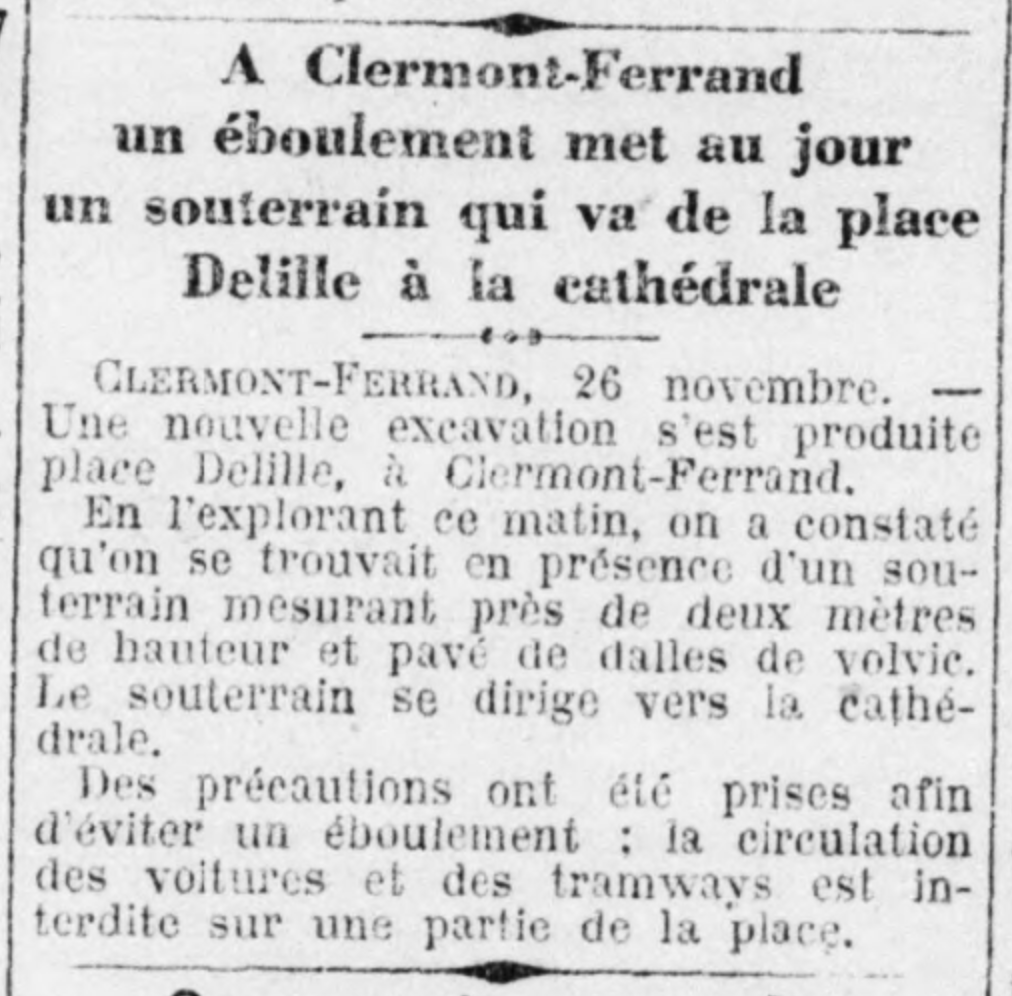
For safety and privacy reasons, access to the entire underground is largely restricted to members of the ACAVIC (Friends of the Caves of Old Clermont) association as well as to authorised researchers and guides. Yet, in Clermont one may also encounter certain urban explorers who boast of years of underworld navigation experience. Under the right conditions, these individuals would, I’m sure, be more than willing to serve as Charons to the city’s Stygian depths.
To learn more about Clermont-Ferrand’s seemingly endless secrets, book a tour.