

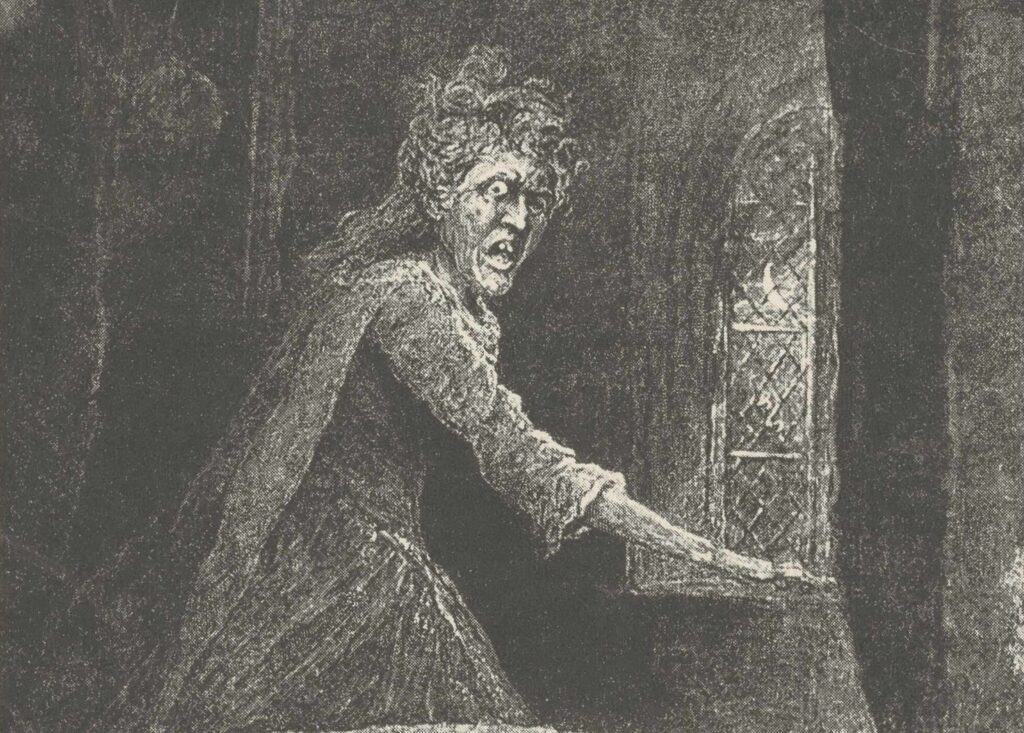
She had in her service valets who were tasked with stealing children, whom she killed to drink their blood and stay eternally young…
-Victor Favyé
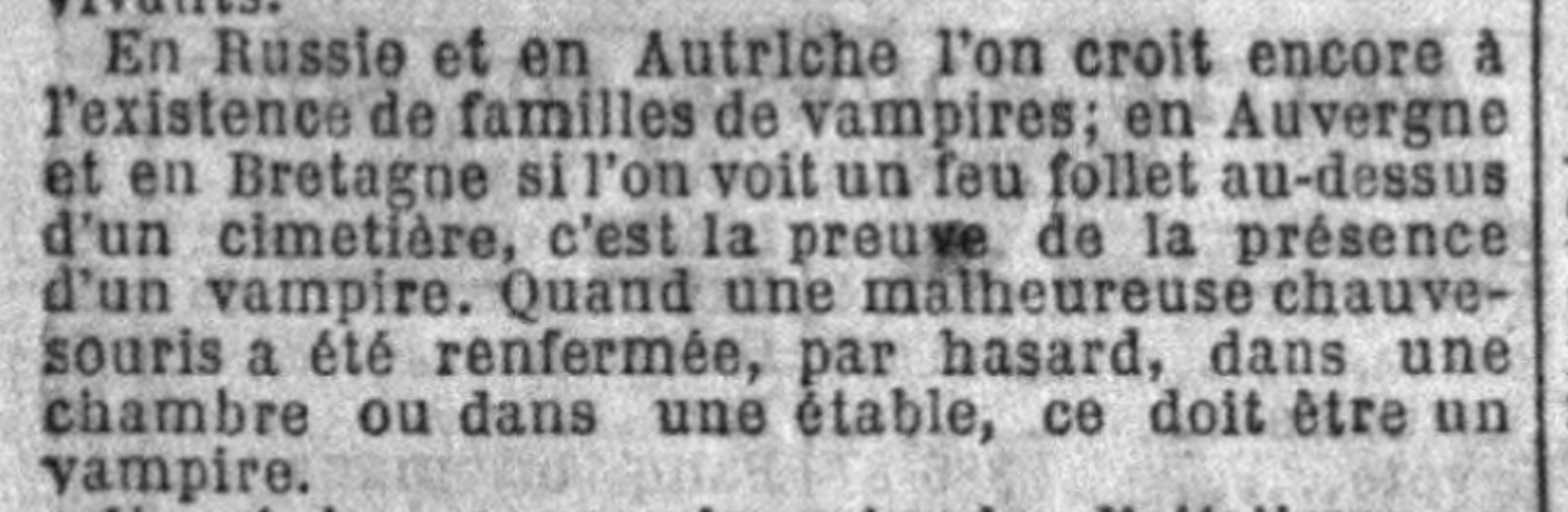
If, as I have often contended, Auvergne is the “Transylvania of France”, it must be the home of bloodthirsty hellbeasts, castled landscapes that howl on windy nights, and at least one phantom-like, murderous nobleman. While all of these and more do appear in the region’s superstitions and folk tales, one of the most iconic creatures of the European imaginary, the vampire, seems — at least at first glance — to be notably less represented in Auvergne’s folklore. The reason may have more to do with terminology, than culture.
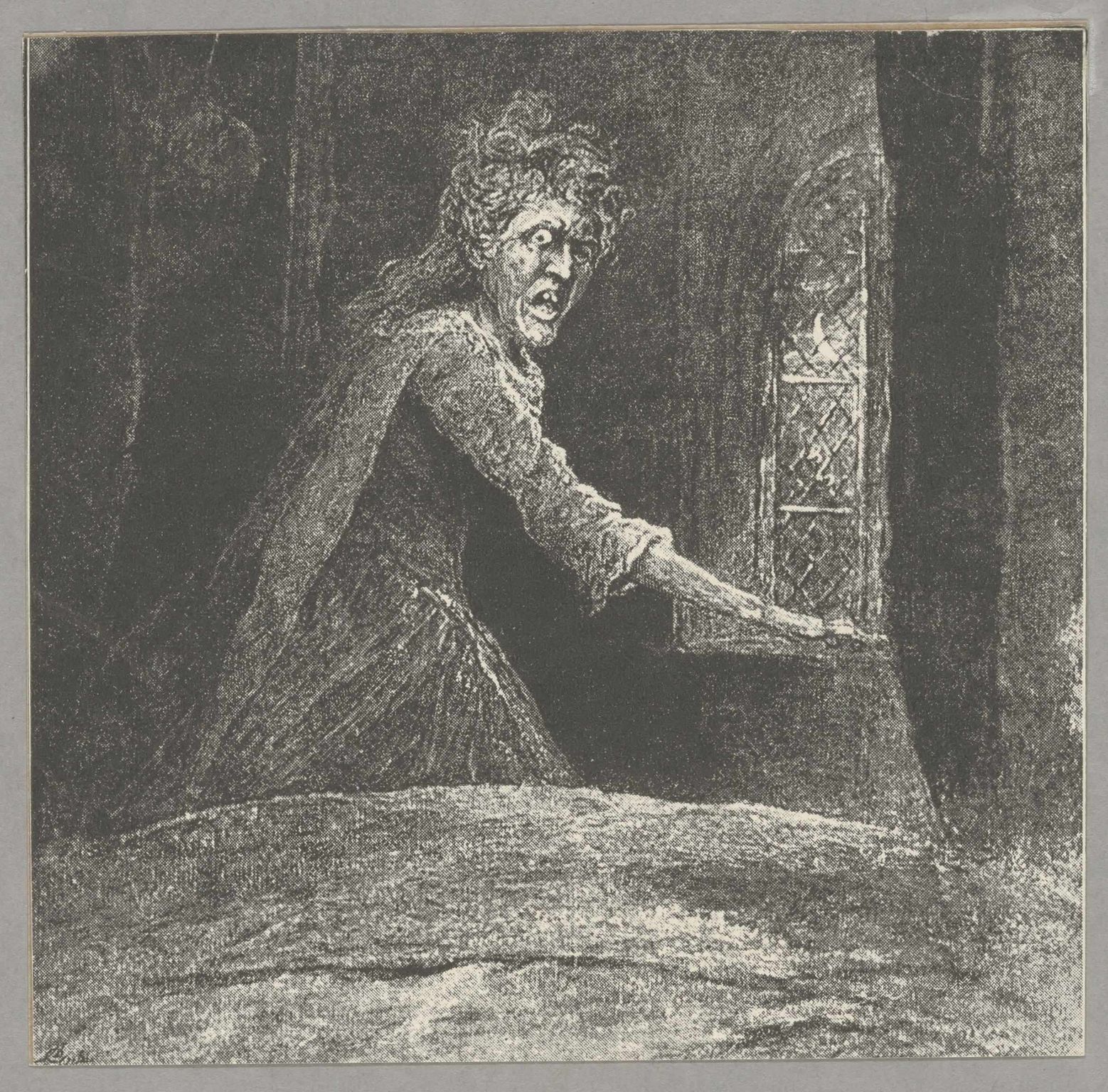
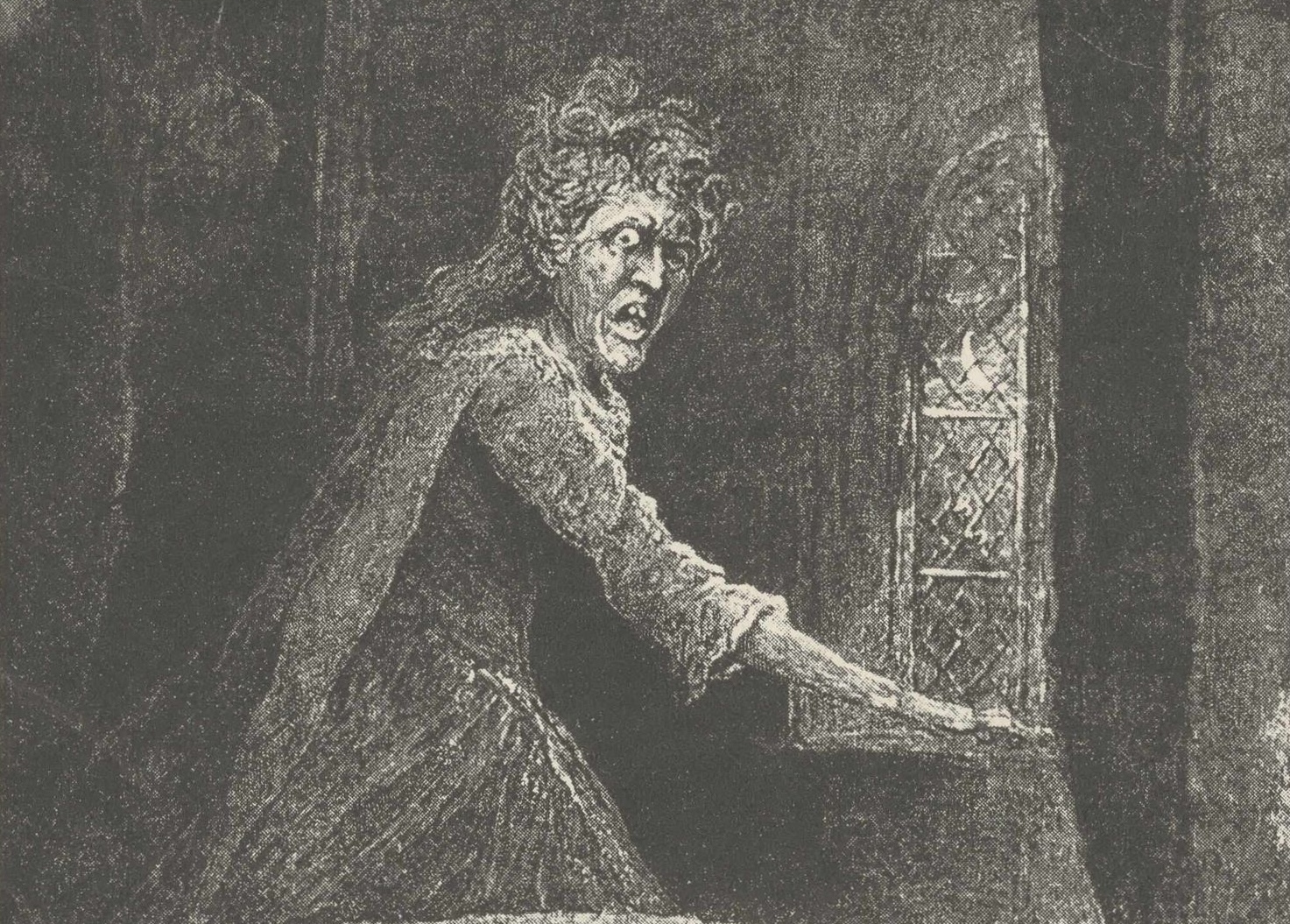
The Auvergne vampire is rarely called as such. Sometimes it has a more Latinate — and thus more vampiresque — name, like baragogne or babau. Often it appears as a fantôme, ogre, or démon. The most well-known vampire of Auvergne, Countess Brayère, is frequently described as an ogresse, human in appearance but monstrous at heart.
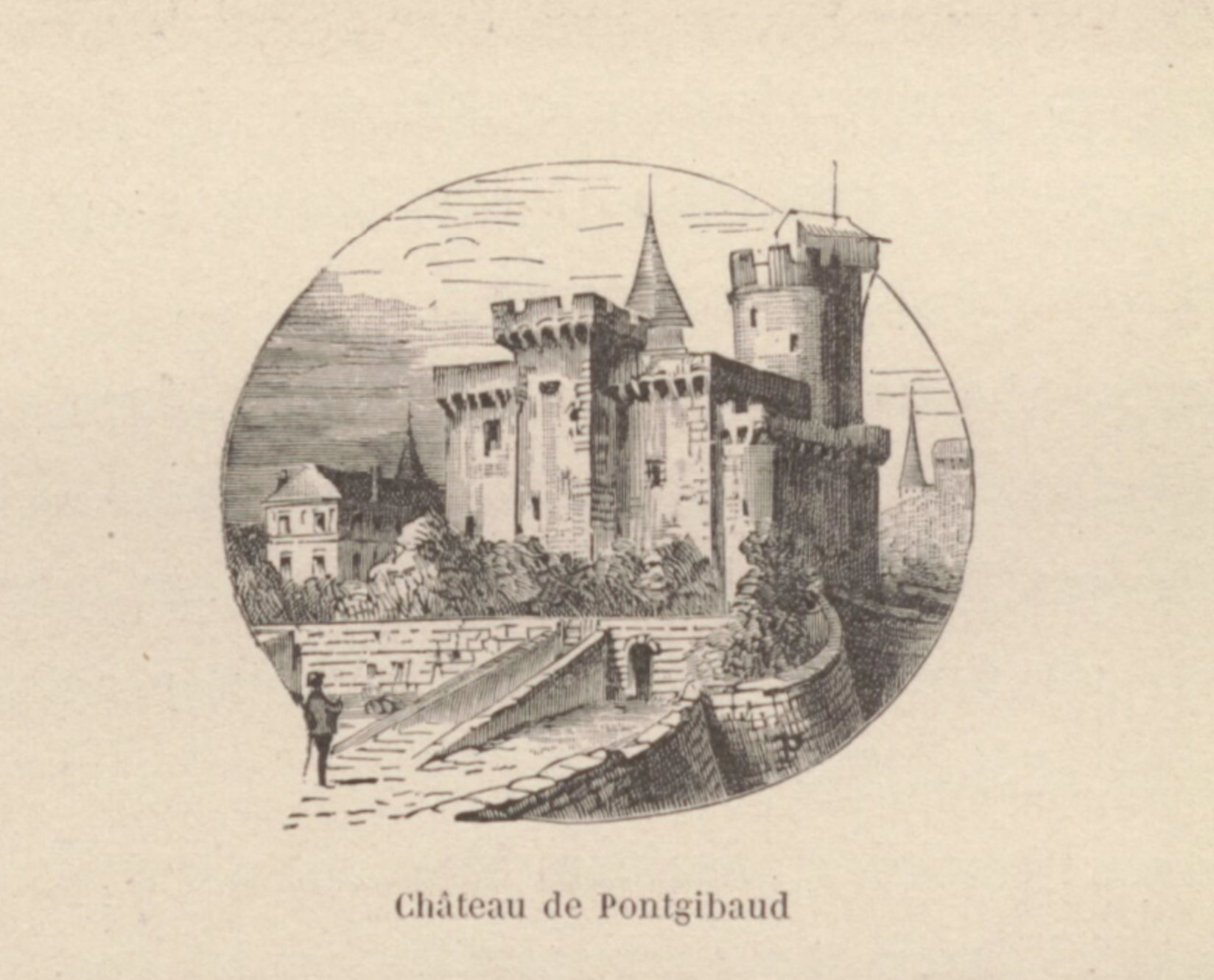
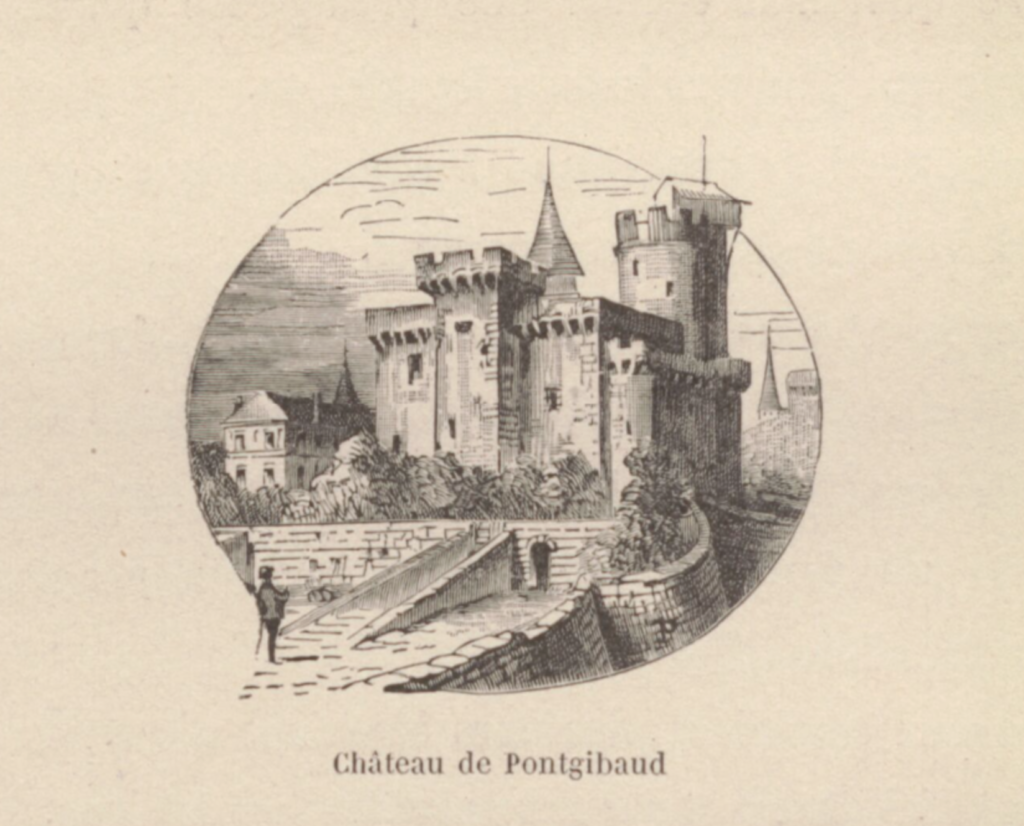
From her castle in Pontgibaud, Orcival, Usson, or Olloix — no one really knows where — she engaged in one of the most sinister crimes imaginable, the cannibalisation of peasant children. As legend has it, she satisfied her cravings unremoresefully, ordering her manservants to capture and cook up her victims on a routine basis. Her killing spree only came to an end when one of her Igors, in a crisis of conscience, decided to secretly switch one of the children for a newborn calf.
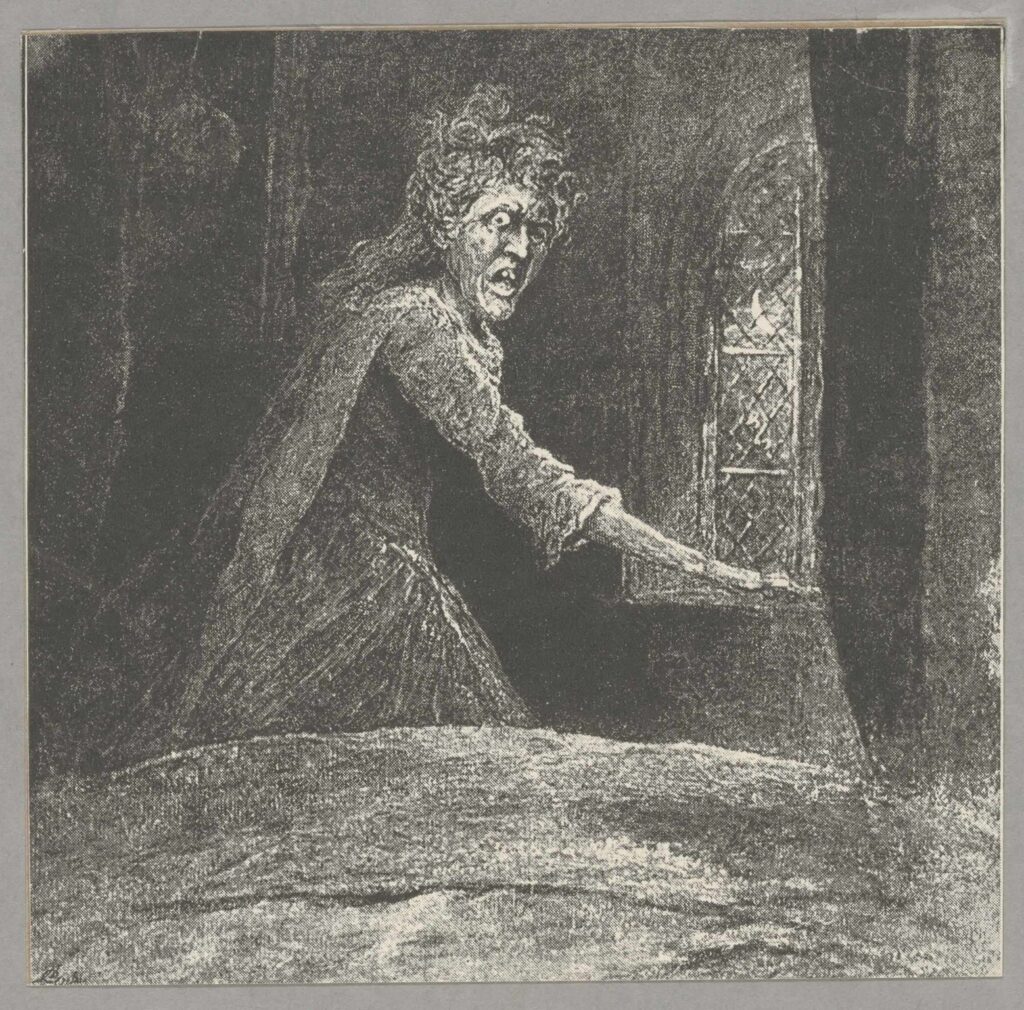
On that fateful day, as Countess Brayère finished gobbling down her meal, unaware that she was actually eating roasted veal, she heard a cow bellowing in the stables and was moved to tears. The servant informed her that she had consumed its child, just as she had, over the years, consumed the children of human mothers. At this moment, our vampire woke up from her moral slumber. She renounced her former ways and became a good, prayerful Christian, using her wealth to fund hospitals and churches in Clermont and the surrounding area.
A rather good ending for a villain. But there is a great deal more in this vampiric tale. Countess Brayère, it could be argued, may represent those hierarchs who unabatedly feast on and revel in the pain and suffering of the disenfranchised. Another esoteric lesson of this Auvergnat legend is that the most bloodthirsty of tyrants can be laid low by their closest aides.
Members of such an inner circle who possess pluck, craftiness, and conscientiousness — as exhibited by the Countess’s manservant — have a responsibility to circumscribe “Brayèrian” evil and, if possible, transmute it into good. What’s also compelling about the myth is the Igor figure’s redemption. His awakening shows that accomplices to the vilest of evils can and do retain a moral compass and that these pentiti , as it were, can have a role in dismantling predatory structures of seemingly invincible power.